BasicFishing— home

Saltwater

Scup (Porgy)

Where to find them, how to catch them and the tackle to use.

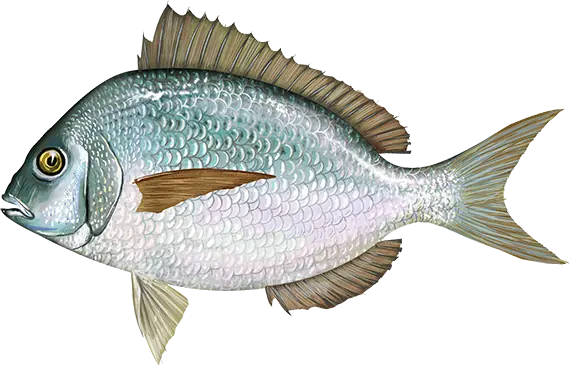
Illustration of Scup (Porgy)
Illustration: Jack Hornady / NOAA FisheriesNot to scale

At a glance

Typical size
Commonly under a pound; big "dinner-plate" porgies reach 16 inches or more; up to about 20 inches and 4 pounds
Range
Northwest Atlantic, mainly from Cape Cod to Cape Hatteras
Habitat
Sandy and hard bottom near rocks, reefs, wrecks and mussel beds; bays and nearshore waters in summer, offshore in winter
Best season
Late spring through early fall inshore; late summer and fall are strong
Common methods
High-low bait rigs on the bottom, often with chum; small jigs, vibes and blade baits
Baits and lures
Clams, squid strips, bloodworms, shrimp; small metal jigs, blade baits, vibes and small plastics

01Introduction

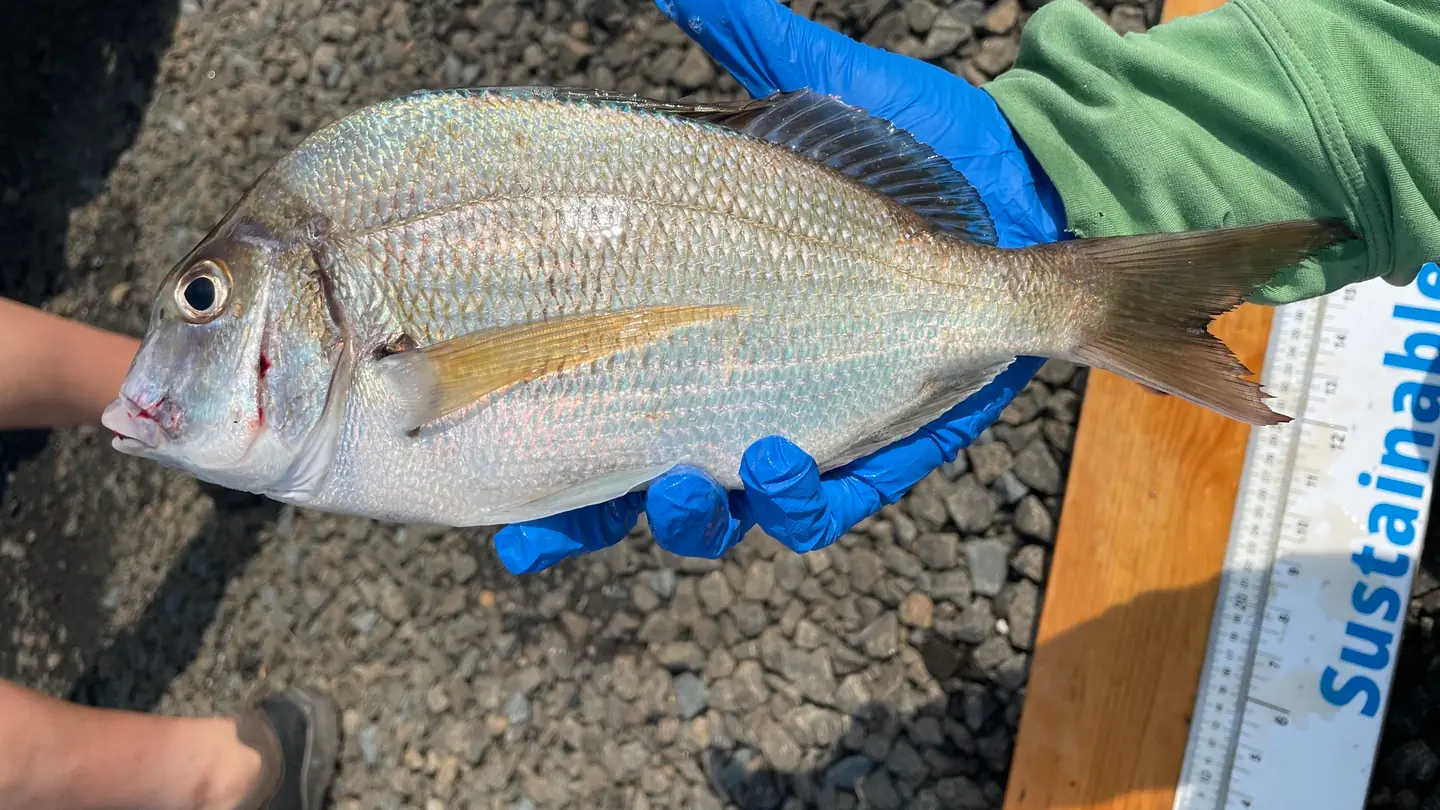
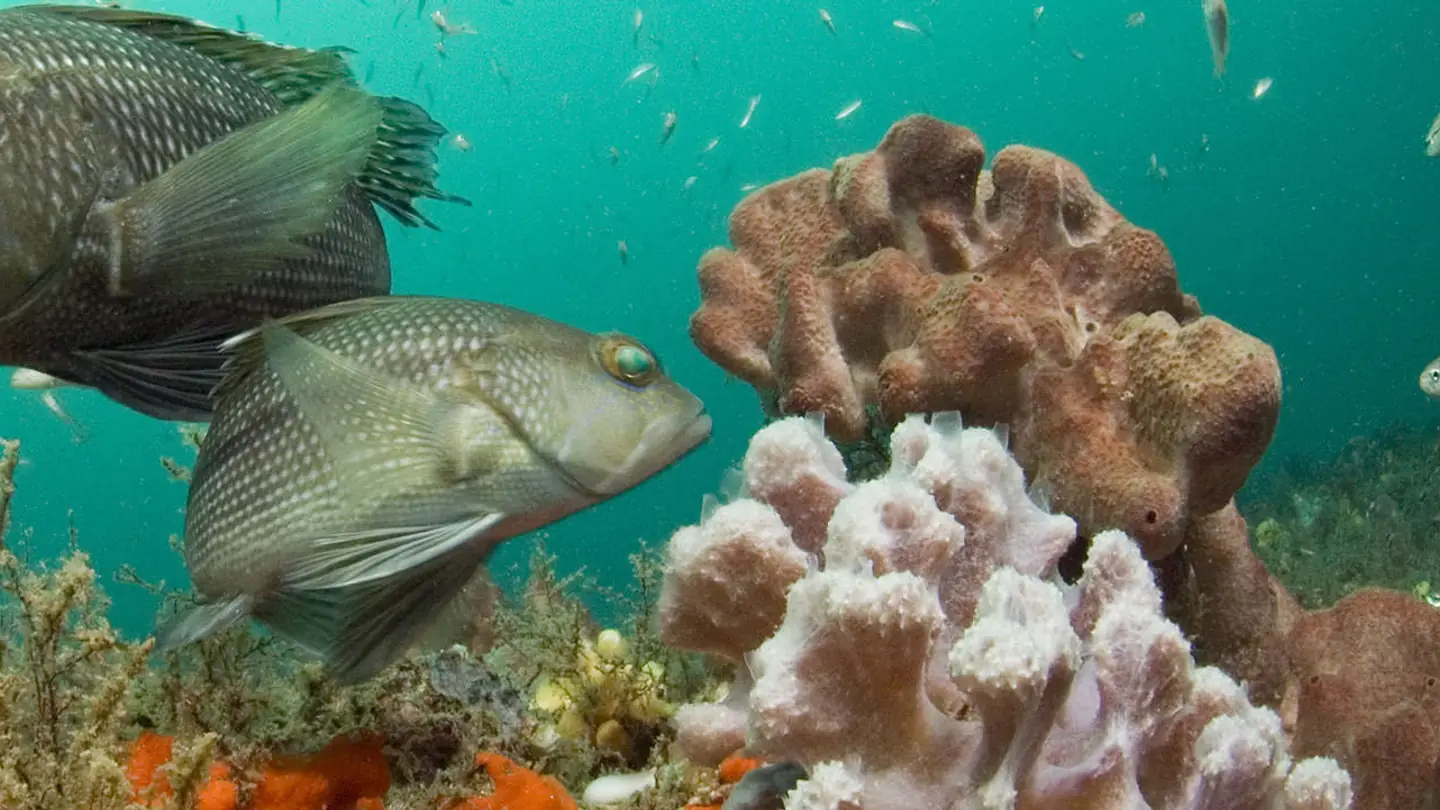
The scup, called porgy by most Northeast anglers, is a deep-bodied, silvery-bronze bottom fish with strong teeth for crushing shellfish. It's one of the most abundant and dependable fish in the Northeast, often caught two at a time on bait rigs, and it's good eating. Most are under a pound, but big "dinner-plate" porgies reach 16 inches or more, and the species can reach about 20 inches and 4 pounds.

02Where to Catch

Range: the Northwest Atlantic, mainly from Cape Cod to Cape Hatteras.

Habitat: scup browse the bottom for crabs, clams, worms and other invertebrates. Look for them over sandy bottom next to rocks, reefs, rock rubble, wrecks and mussel beds, in large bays and estuaries and in nearshore ocean waters.

Seasons: scup move north and inshore in spring, spend summer and early fall in bays and near the coast, and head south and offshore in fall, spending the winter on the outer continental shelf.

03How to Catch

Bait fishing

The standard approach is a two-hook high-low rig on the bottom baited with small pieces of clam, squid, bloodworm or shrimp. Anchor or drift over structure next to sandy bottom. Chum helps hold a school; fish where there's some current to spread it. If you're catching only small scup, move to another spot, or drift to find bigger fish before anchoring. In shallow water, bigger scup can be boat-shy, so drop your baits a little farther back from the boat.

Lures

Scup aren't picky and hit small lures readily: small metal and epoxy jigs, diamond jigs, small plastics, and especially vibration lures. In shallow water, a slow-sinking plastic vibe works; in deeper water or current, a heavier metal blade bait worked with a sweeping lift stays near the bottom where scup feed.

04Tackle

A light to medium spinning or light conventional outfit, a two-hook high-low rig with small hooks, and enough weight to hold bottom. For lures, a light jigging rod. Scup are managed coastwide, and seasons, sizes and bag limits vary by state; check your state's regulations.

05Questions anglers ask

Is a scup the same as a porgy?

Yes. In the Northeast, "porgy" and "scup" are two names for the same fish. It's a member of the sea bream and porgy family.

Why am I only catching small ones?

Small scup often swarm the bottom. Maryland's fisheries agency suggests moving to a new spot if you're catching small fish, drifting to search for bigger ones, and in shallow water dropping your baits a little farther behind the boat, where bigger, boat-shy fish may be feeding on the chum.

Reading

Scup (Porgy) articles

November 10, 2026

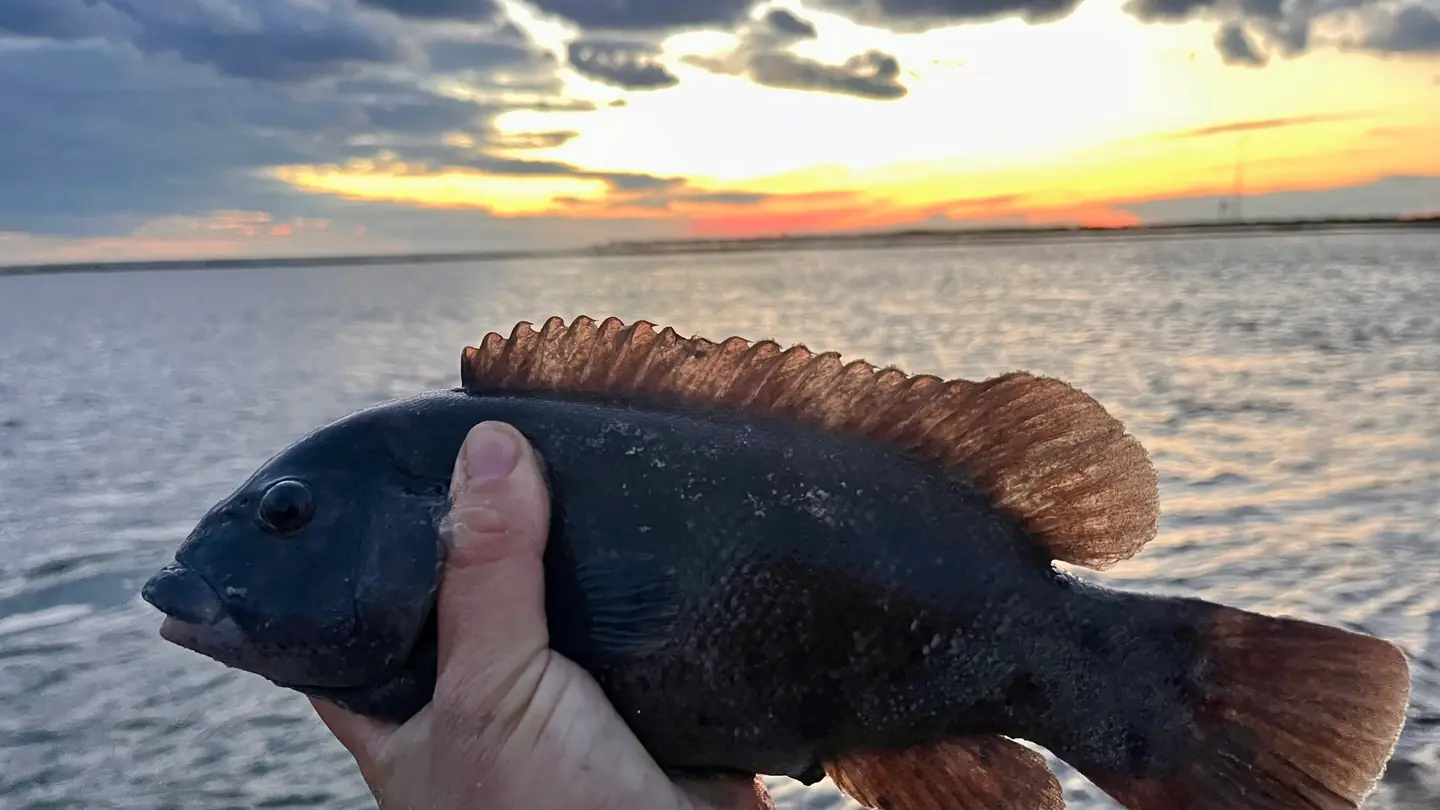
The Ultimate Guide to Tautog Fishing

Blackfish from the spring jetties to the winter wrecks: where tautog live through the year, anchoring on structure, crabs and how to hook them, two-hook rigs and tog jigs, the bite and the hookset, and the heavy tackle it takes to pull them out of the rocks.

November 10, 2026

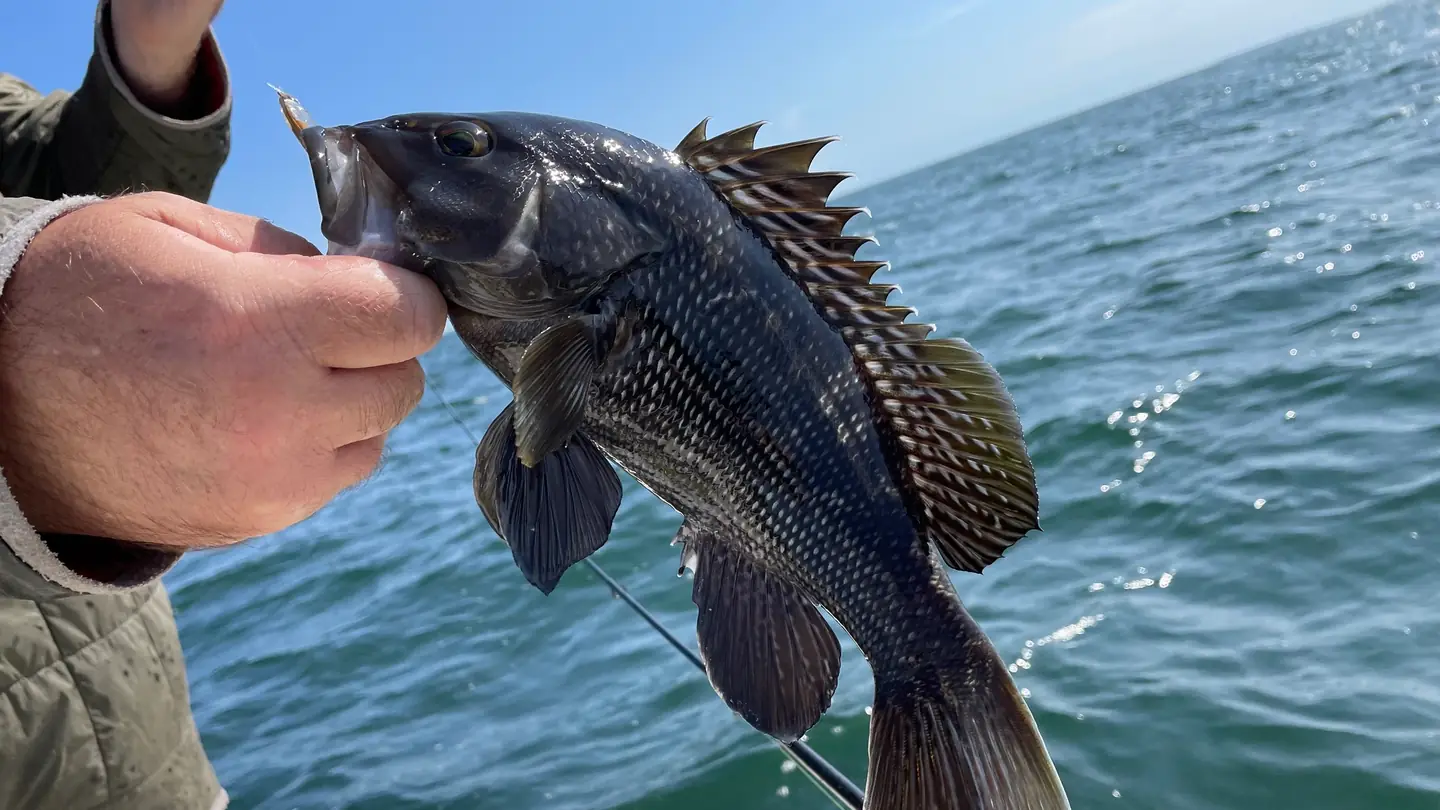
The Ultimate Guide to Black Sea Bass Fishing

Where black sea bass live through the year, how to find the right rock pile or wreck and sit on it, the high-low rigs and jigs that catch them, how to cull the big ones, and how to release fish from deep water.

November 3, 2026

Porgies (Scup): When and Where to Find Them

Porgies are the easiest fish on the coast to catch once you find them. Here's when they arrive, where the big ones hold through the summer and fall, and how to find a school.

November 3, 2026

Porgy Rigs, Baits and Chumming

A high-low rig, a bucket of clams and a little chum is all it takes to fill a cooler with porgies. Here's how to set up, how to hook these quick-biting fish, and when jigs work better.

November 3, 2026

Crabs and Other Baits for Tautog

Tautog are crab-eating machines. Here's which crabs to use in which season, how to cut and hook them so they stay on, how to keep them alive, and when clams and other baits work better.

November 3, 2026

Black Sea Bass: Where They Live Through the Year

Sea bass live on rock, wrecks and reefs, and they move shallower or deeper with the seasons. Here's where to find them each month and how to find the best part of a piece of structure.

November 3, 2026

Black Sea Bass Rigs and Jigs

A two-hook bait rig catches sea bass by the dozen; a metal jig catches the big ones. Here's how to set up both, how to work a jig, and what tackle to bring.

November 3, 2026

Anchoring on Wrecks and Reefs

For tautog, sea bass and porgies, a few feet can be the difference between a full cooler and no bites. Here's how to find the fish on a piece of structure and anchor right on top of them, or drift it instead.