Article
Stripers, Blues and Fluke: A Month-by-Month Calendar
When to fish for striped bass, bluefish and fluke from the Chesapeake to Cape Cod, month by month, with what's happening, where to look and what to bring.
November 3, 2026
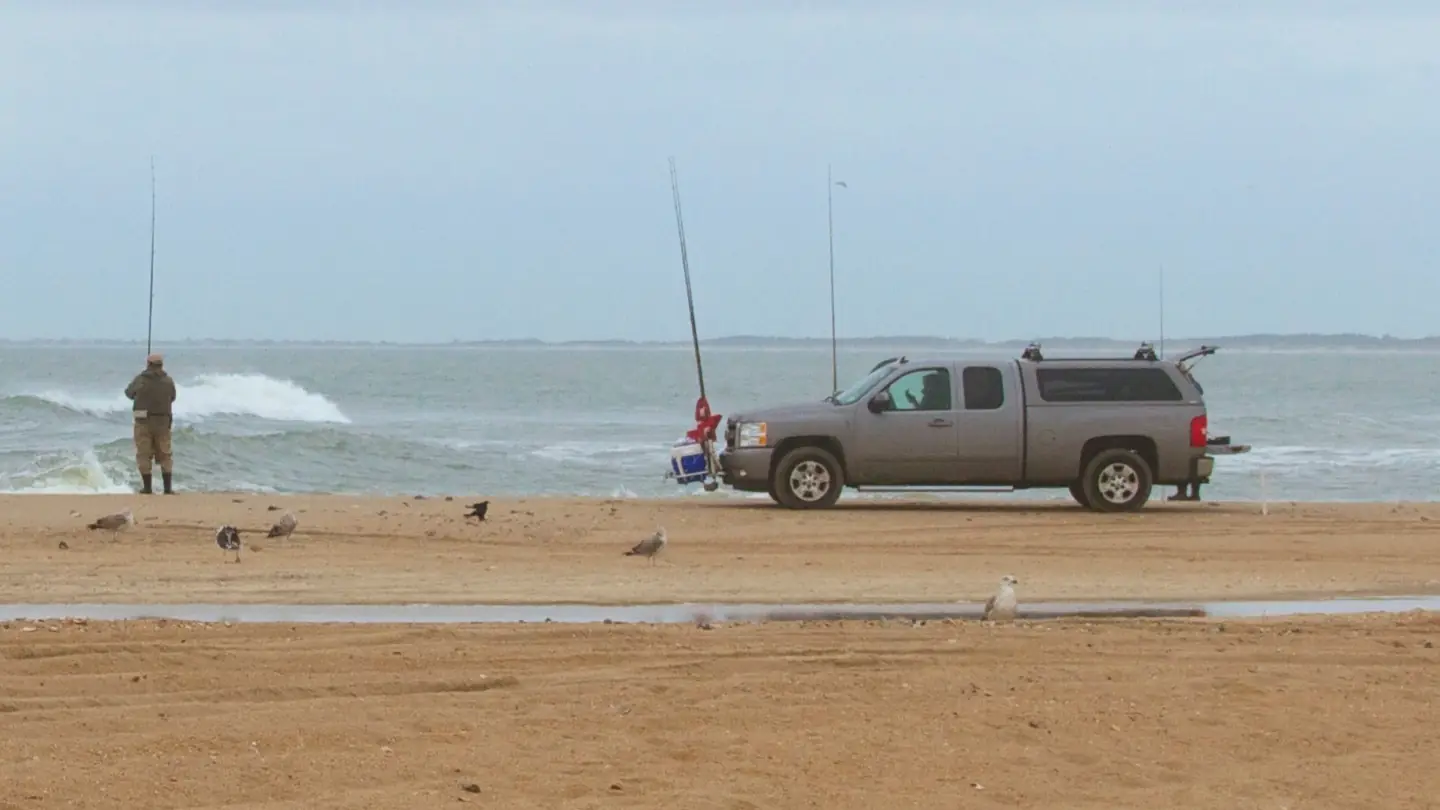
Striped bass, bluefish and fluke are the backbone of inshore fishing from the Chesapeake Bay to Cape Cod, and each runs on its own calendar. This is a month-by-month guide to what's usually happening. It's built for the middle of that range, roughly New Jersey and New York. Spring events generally come earlier to the south and later to the north (the fall run goes the other way), and a warm or cold year can shift everything.
Keep one thing separate: when the fish are here and when you can keep them are two different calendars. States set open seasons, especially for fluke and striped bass, so check yours.
The year at a glance
| Month | Striped bass | Bluefish | Fluke |
|---|---|---|---|
| Jan–Feb | Offshore wintering fish; holdovers in rivers | Gone south | Offshore |
| March | Holdovers start feeding as rivers warm | Gone | First fish move inshore late in the month |
| April | Spawning in the rivers; first migrants up the coast | First fish in the mid-Atlantic late in the month | Shallow back-bay flats |
| May | Run builds along the coast | Big blues on mid-Atlantic lumps; arriving to the north | Flats and channel edges; big-fish window late May |
| June | Peak of the spring run in the north | Moving inshore | Channels and inlets |
| July | Night and dawn fishing; fish deeper by day | Big blues deeper | Deeper channel edges |
| August | Night fishing; summer spots | Blues at their best; chumming; snappers in the bays | Peak; deep edges and ocean structure |
| September | Fall run starts in the north | Best month; blitzes | Ocean reefs and wrecks; big fish |
| October | Fall run in full swing | Big blues pass; leaving | Last of the season |
| November | Fall run moves south | Last big fish | Gone offshore |
| December | Fall run in the mid-Atlantic; holdovers settle | Gone | Gone |
Winter: January and February
Stripers: most migratory bass are offshore, from about Long Island south to North Carolina. The fishing that's left is for holdovers, mostly schoolies, in the deep water of tidal rivers, estuaries and salt ponds. Fish slow and small, and pick the warmest days. See The Striper Year.
Blues and fluke: both are far offshore or far south.
March
Stripers: as the rivers start to warm, holdovers feed more. A small rise in water temperature or a warm rain can turn them on.
Fluke: the first fish leave their offshore wintering grounds and move toward the bays in the mid-Atlantic in mid to late March.
April
Stripers: the spawn is on in the rivers. The first migrating bass start working up the coast; in New York, the first schools can show by April. Fish the warm water: back bays, river mouths, mud flats.
Fluke: early fish are on the shallowest, warmest flats in the back bays. Fish the outgoing tide that drains warm water off the flats. Your state's fluke season may not be open yet.
Blues: the first fish reach the mid-Atlantic in late April.
May
Stripers: the coastal run builds. Spawned-out fish leave the rivers and push north, stopping at rips, inlets and river mouths. Chesapeake fish reach New York around mid-May. Menhaden are moving in, and bass follow them.
Blues: big blues gather on inshore lumps off the mid-Atlantic coast by mid-May, feeding on migrating bunker. Farther north, the first schools are offshore waiting for inshore water to warm.
Fluke: fishing picks up everywhere on the flats and along channel edges. Late May, around Memorial Day, is one of the best shots of the year at a big fluke close to the inlet.
June
Stripers: in New York and southern New England, June is often the peak of spring striper fishing. The run spreads to the north; by June, bass are on the sand flats around Montauk.
Blues: schools move inshore to the beaches in the New York Bight by late June.
Fluke: as the bays warm, fluke move off the flats into the channels and inlets.
July
Stripers: fish early, late and at night. In the heat, bass hold in deeper channels and rips during the day and feed in the shallows in low light.
Blues: the big fish drop deeper to find cooler water and feed near the surface mostly at night. Fish dawn and dusk from shore. Snapper blues are growing in the bays.
Fluke: deeper channel bottoms and lower channel edges. Near inlets, cool ocean water keeps the bite going.
August
Stripers: a night game. Live eels after dark and plugs in the surf at night are your best bets.
Blues: one of the best bluefish months. In the mid-Atlantic, chumming with ground bunker brings blues to the boat when the water is in the 70s. Snappers are in every creek and marina; it's prime time for kids.
Fluke: the peak. Many fish are on the edges of deeper water, 25 to 40 feet, and the big ones are moving to ocean reefs and wrecks.
September
Stripers: the fall run starts. Bait begins pouring out of the bays, and bass start moving and feeding along the beaches in New England and Long Island first.
Blues: often the best bluefish month of the year, with blitzes along the beaches and inlets as they feed before heading south. Snappers leave the bays by late September.
Fluke: ocean structure for doormats. The inshore season winds down as the water cools.
October
Stripers: the heart of the fall run in the Northeast. Watch for birds, fish the beaches at night and at the top of the tide, and follow the bait. See Reading Birds and Bait.
Blues: the biggest fish are often the last through, in October and early November. Adults leave the mid-Atlantic once the water drops below about 60°F.
Fluke: the last of the inshore fluke, mostly on deep structure, before they head offshore to spawn.
November
Stripers: the run moves south. In New Jersey, November and December are prime months, especially in the surf at night. New York's best fall fishing is often October into November.
Blues: the last big blues pass through, and in warm years some stay past Thanksgiving.
Fluke: offshore for the winter.
December
Stripers: the tail of the run passes through New Jersey and into the mid-Atlantic, where the night surf bite can last into January in a late year. In New England, the fish that stay settle into their winter holdover spots.
Using this calendar
Treat the months as a guide, not a schedule. Water temperature and bait set the real timing, and both change from year to year. A warm fall, for example, can hold the striper run back for weeks. Local reports and your own logbook beat any calendar.
For each species in more depth, see The Striper Year, Bluefish Through the Season and Where Fluke Hold Through the Season.
Cover photo: National Park Service, Cape Hatteras National Seashore (public domain).