Article
Where Fluke Hold Through the Season
Fluke move from warm spring flats to summer channels and then to deep ocean structure. Follow that path and you'll keep finding them from the first spring bite to the end of the season.
November 3, 2026
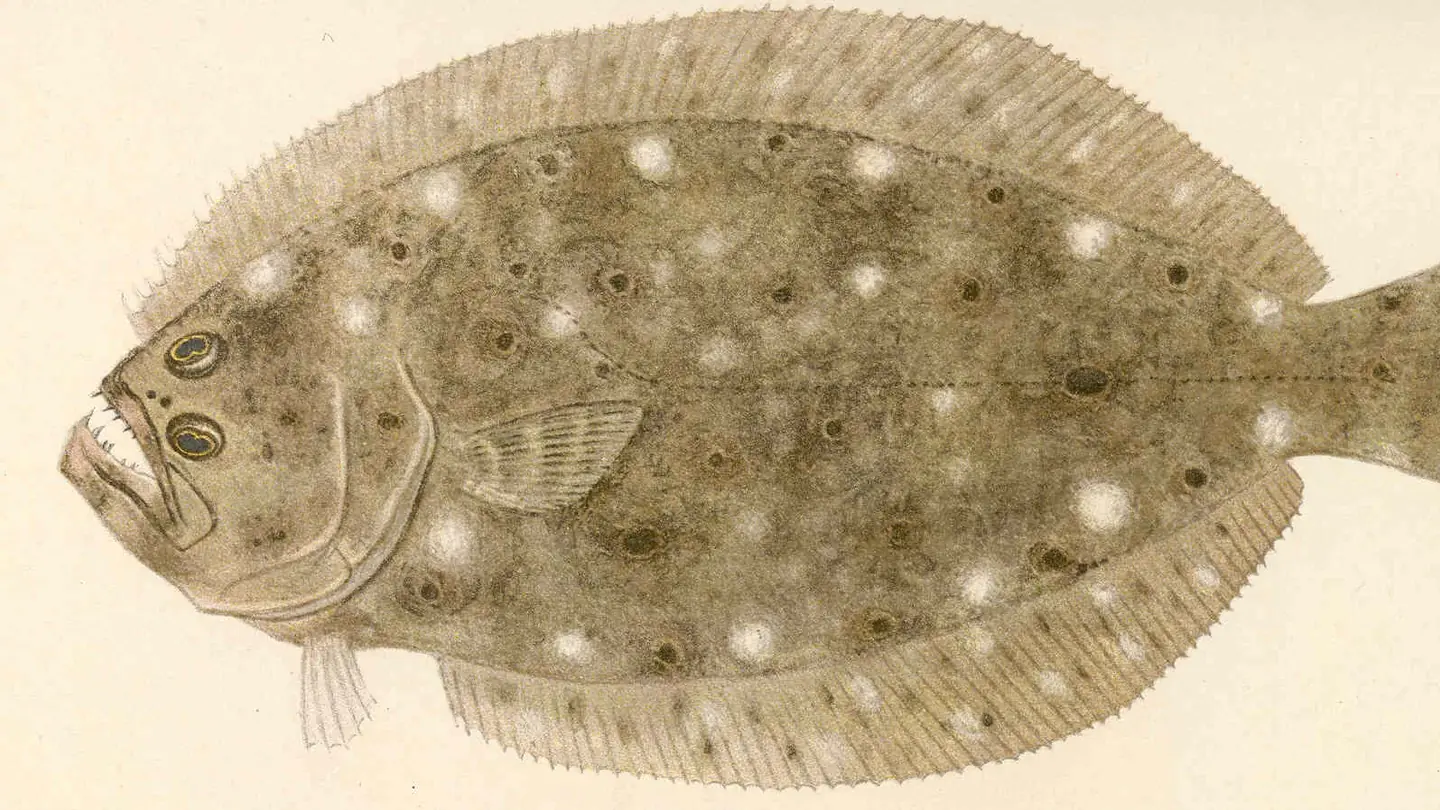
Fluke are easy to find once you know where they want to be at each point in the season. They follow a simple pattern: in from the ocean in spring, onto the warmest shallow water they can find, then down into the channels as the bays heat up, and finally out to deep ocean structure before they head offshore for winter. Water temperature and food drive every step.
Through all of it, fluke are ambush hunters. They lie on the bottom, partly buried and colored to match it, and wait for the current to bring food past. So no matter the season, you're looking for the same thing: bottom structure where moving water carries bait.
Early season: warm, shallow flats
Fluke spend the winter offshore, in 100 to 500 feet of water near the edge of the continental shelf. They start moving inshore in late winter and early spring, and the first fish show up in the bays and inlets from late March in the mid-Atlantic to late April farther north. By May the fishing picks up everywhere.
Spring water is cold, and fluke go looking for the warmest water they can find:
- Shallow back-bay flats, mudflats and the edges of channels next to them. Three to six feet of water over dark mud or dark sand heats up fastest on a sunny day. Early fluke can be in remarkably shallow water, sometimes just a few feet.
- Fish the outgoing tide. Early in the season, the falling tide drains warm water off the flats, and that's when fluke feed. An incoming tide pushes cold ocean water in and can shut the bite down.
Around Memorial Day is one of the best chances all year to catch a big fluke without leaving the inlet.
Summer: channels, edges and inlets
As the bays warm into the 70s in late June, July and August, fluke slide deeper. The pattern shifts from the flats to:
- Channel bottoms and the lower part of channel edges. A channel that drops from a flat down to 6 to 20 feet is a food funnel: strong tides sweep bait, crabs and worms off the flats and banks, and fluke wait below.
- Edges of deeper water, 25 to 40 feet by August. Fluke that were in 5 to 15 feet in May are often on the edges of the deeper channels by late summer.
- Inlets and nearby water. Each tide pushes cooler ocean water through the inlet, so the bay near it stays more comfortable than far-inland water.
- Holes around bridges, scoured deep by tidal current.
Plenty of fluke stay in the bays all summer, but many of the bigger ones move to the ocean.
How to drift a channel: start on the flat on one side, drift down over the edge, across the channel bottom and up onto the flat on the other side. The more of the drift you spend in and along the channel, the better. When you catch one, run the same drift again: fluke travel in loose groups, and where there's one there are usually more.
Tides and moon: strong full- and new-moon tides wash extra food off the banks and get fluke feeding. On shallow shoals, fluke often hold in the channels at low tide and move up onto the shoals as the water rises.
Unlike many saltwater fish, fluke bite all day. You don't need to be out at dawn.
Late summer and fall: deep ocean structure
From August into fall, many of the biggest fish are in the ocean on hard bottom: rock piles, artificial reefs, wrecks, mussel beds, and lumps and ridges, often in 50 to 90 feet of water. Some areas have a mix of shallow and deep options, like strong-current shoals where fluke sit deep at slack water and move up shallow when the current runs.
This is when to look for a doormat, a fluke over about 8 pounds. Stay tight to structure, and expect to lose some rigs: if you're not getting snagged now and then, you're probably not close enough. See How to Catch Doormat Fluke.
As the water cools and days shorten in fall, fluke leave for deep offshore water, where they spawn over the winter. The inshore season usually winds down in October, sometimes running into November.
What fluke bottom looks like
Through every season, look for:
- Changes in depth: drop-offs, channel edges, the slope from a flat into a hole, the top and sides of a ridge or lump.
- Hard or mixed bottom: shell, mussel beds, gravel, rock and wrecks hold more food than flat, featureless sand.
- Current: fluke set up where moving water washes food to them. A spot with structure and no water movement is rarely as good.
A chart and a depth finder help more than anything else. Mark every bite; even big fluke tend to hang out in small groups.
The north-south difference
The farther north you go, the later the season starts. You're also more likely to run into bigger, older fish, because fluke tend to return to more northern estuaries as they age.
Before you go
Fluke size limits, bag limits and seasons are set by each state and change often, and a state's season may open after the first fish arrive. Check your state's current saltwater rules before you go.
For the main way to fish all of this water, see Drifting and Bucktailing for Fluke.
Cover photo: New York State Forest, Fish and Game Commission, 1907 (public domain).