Article
Drifting and Bucktailing for Fluke
Most fluke are caught on the drift with a bucktail bouncing bottom. Here's how to pick the jig, set up the drift and work it so fluke eat it.
November 3, 2026
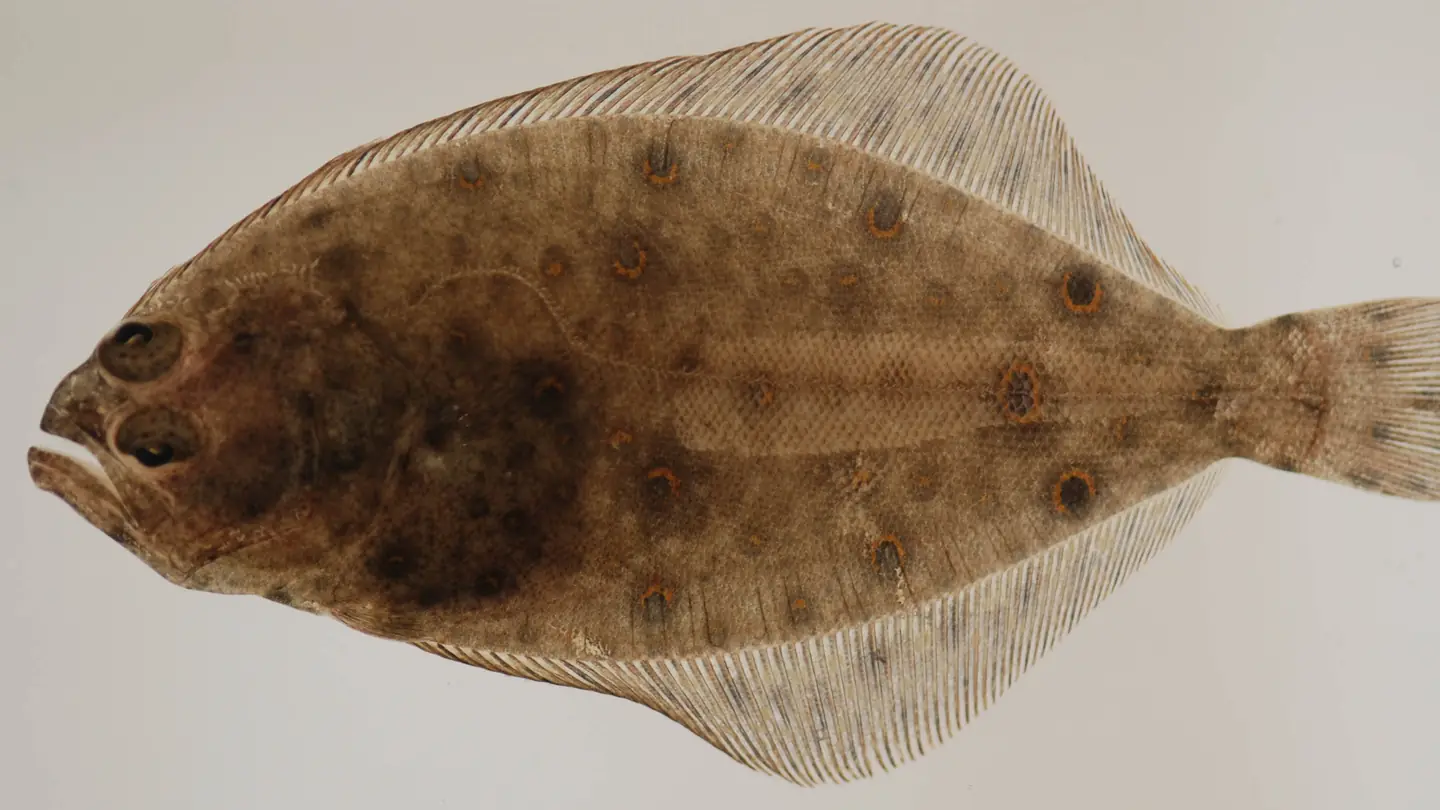
If you only learn one way to fish for fluke, make it this one: a bucktail jig, heavy enough to touch bottom, bounced along on a drifting boat. It catches more fluke than any other method, and the bigger fish in particular. Fluke are ambush hunters that lie on the bottom and wait for something to swim past. A bait sitting still rarely gets eaten. A jig hopping across their field of view does.
Pick the right bucktail
Weight is everything. Use the lightest bucktail that still holds bottom and lets you bounce it there. The right weight depends on depth and current, so it changes through the tide. As a starting point:
| Where you're fishing | Bucktail weight |
|---|---|
| Shallow back bays and flats | 1/8 to 1/2 ounce |
| Most inlets, depending on the tide | 1/2 to 2 ounces |
| Deeper ocean water, reefs and strong current | 2 to 6 ounces, sometimes more |
Carry a range and change often. With a bucktail, switching weight is one knot, which is a big reason it's the first lure to tie on.
Sparse beats bushy. A thinly tied bucktail sinks faster and holds bottom better than a full one of the same weight.
Color. White is the standard. Pink and chartreuse are the next two to try. If one isn't working after a few drifts, change it.
Tip it
A plain bucktail catches fluke, but a tipped one catches more. Put a strip of bait on the hook: squid, or a thin fillet strip of a fish such as herring, mackerel, bluefish or sea robin. Spearing and scented soft-plastic grubs or minnows work too. Many anglers combine bait and plastic on the same hook.
Add a teaser
Tie a dropper loop 18 inches to 2 feet above the bucktail and put a second, smaller offering on it: a small soft-plastic shrimp or minnow, or a baitholder hook with a strip. Fluke often follow the bucktail up and then eat the teaser above it. Over rough bottom or structure, this high-low setup also keeps one hook up out of the snags.
On clean sand you can flip it around: two light jigs on dropper loops above a sinker or a heavy bucktail, so both hooks ride just off the bottom.
Set up the drift
Fluke are spread out over the bottom, so you find them by covering water. Let the wind and tide carry the boat, and plan each drift so it crosses something: a drop-off, a sandbar, the edge of a channel, a ledge or the mouth of an inlet. Fluke set up on structure and let the current bring food to them. Mussel beds and flats with even a slight drop-off hold fish too.
Early in the season, fluke are often in shallow water, 5 to 15 feet. By late summer many have moved to the edges of deeper water, 25 to 40 feet, and the biggest fish hold on deep structure like reefs and wrecks.
Once you get a bite or two, stop wandering. Run back up-current and repeat the same drift through that spot.
Control the speed. If wind and tide are pushing you too fast to hold bottom, slow down with a drift sock or even a five-gallon bucket tied off the side. On a dead calm day with no current, use the motor to keep the boat moving.
Follow the bottom. As the water gets deeper, let out line; as it shallows, reel in. You want the jig touching down every few hops the whole way.
Work the jig
Keep it moving. Lift the rod tip in short, sharp hops so the bucktail jumps off the bottom and falls back. Mix in longer lifts and pauses until you find what they want that day. Every few hops, make sure you're still touching bottom.
When you feel weight or a thump, set the hook hard right away and keep steady pressure all the way to the boat so the fish can't shake free. This is different from fishing a plain bait rig, where anglers often give a fluke a moment to take the bait.
Use a net. Fluke are famous for falling off when they're lifted over the rail. Have a net ready and slide it under the fish rather than swinging it aboard.
Tackle
- Rod: 5½ to 7 feet, with enough backbone to drive the hook home and a sensitive tip that lets you feel the jig ticking bottom. Spinning works well with lighter jigs; a conventional outfit gives you better line control with heavy jigs in deep water.
- Line: braid is the standard for bucktailing. Light to medium tackle in the 15- to 20-pound class handles most fluke fishing.
- Leader: a few feet of fluorocarbon, about 30-pound, tied to the braid.
From shore
You don't need a boat. From a bulkhead, jetty or beach, cast up-current and across, let the jig hit bottom, and hop it back as the current sweeps it along. You're making your own drift.
For bait rigs, see Fluke Rigs and Baits. For where to drift through the season, see Where Fluke Hold Through the Season, and for the biggest fish, How to Catch Doormat Fluke.
Before you go
Fluke size limits, bag limits and seasons are set by each state and change often. Check your state's current saltwater rules before you go.
Cover photo: Robert Aguilar, Smithsonian Environmental Research Center (CC BY 2.0, cropped).