Article
Crappie Fishing Through the Seasons
Crappie school up, move with the water temperature, and bite light. Here's where to find them from the spring spawn to summer brush and channels, fall drawdowns and winter, and how to fish jigs, floats and minnows.
November 3, 2026
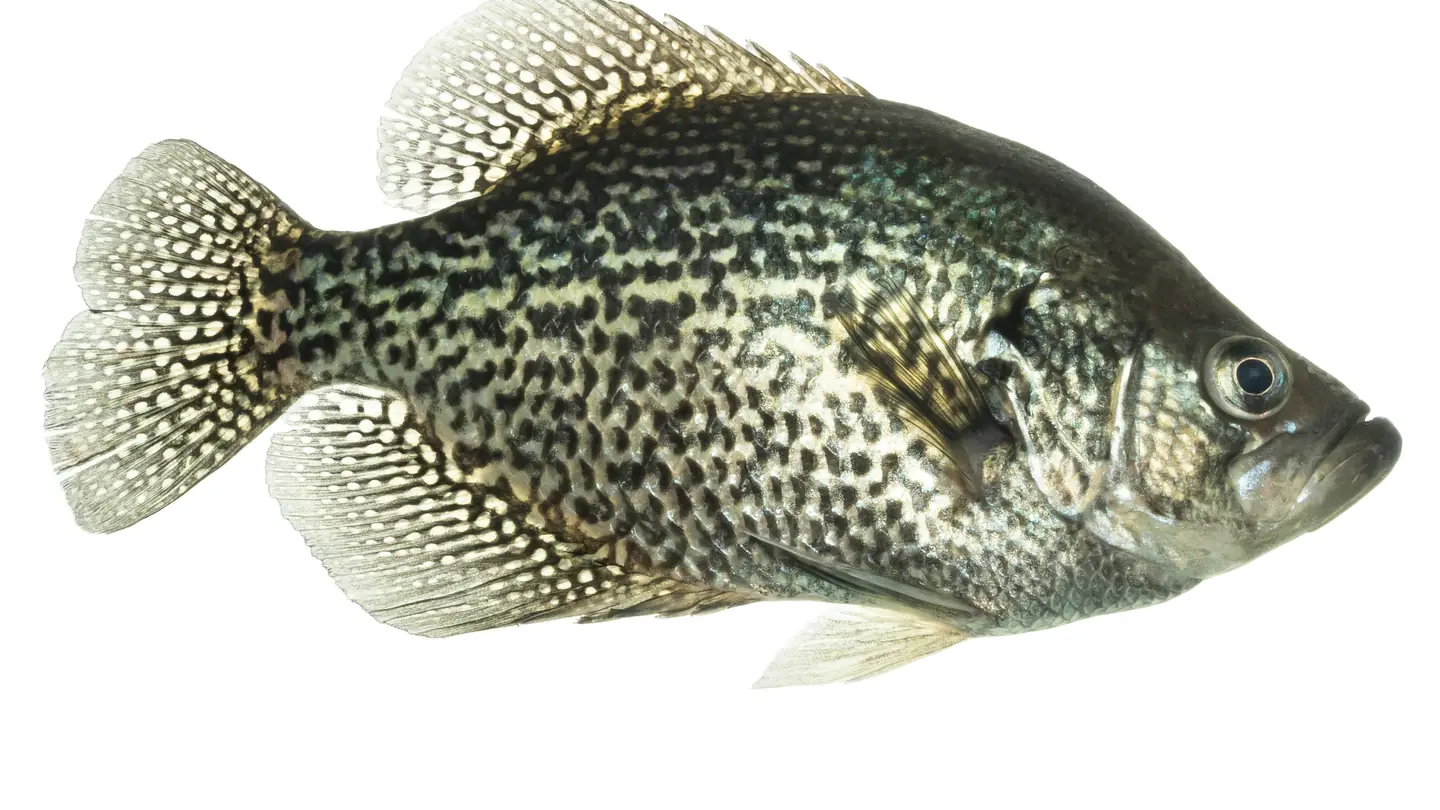
Crappie are one of the most popular fish in fresh water for good reason: they school up, bite readily, fight well on light tackle and are found almost everywhere. The two keys to catching them are finding the depth the school is using and fishing light enough to feel them bite. They follow the water temperature through the year, so the seasons tell you where to start.
Tackle: think light
- Rod: a light or ultralight spinning rod, around 6 feet. A soft, flexible rod lets you feel light bites and keeps you from tearing the hook out of a crappie's soft mouth. A longer rod casts farther and reaches tight spots.
- Reel: a small spinning reel (500 to 1000 size).
- Line: 4- to 6-pound. Monofilament's stretch is forgiving on soft-mouthed fish.
- Jigs: 1/32 to 1/16 ounce, with small soft-plastic tubes, grubs or minnow bodies.
- Live bait: small minnows are the classic crappie bait.
- Floats: small floats to hold jigs and minnows at the right depth.
Spring: shallow and stacked
Spring is crappie season. When the water rises above about 50°F, crappie start moving toward the shallows to feed and get ready to spawn. They spawn when the water is well into the 60s. In the South that can start as early as February; in the North, about a month after ice-out.
Where:
- Low to mid-50s °F: flats in 5 to 10 feet of water, especially near the main lake and on the north side, which warms first.
- 60s °F: shallow spawning areas, as little as 18 inches to 3 feet deep, around brush, weeds, docks and fallen trees.
- Look for brush piles and contour changes, and look for bait. Flats that hold baitfish in spring will have crappie close behind.
How:
- Jig or minnow under a float. Set a small tube, jig or minnow under a float so it hangs at the depth of the fish. This is the classic spring crappie setup, and it's hard to beat.
- Vertical jigging. When crappie are holding a little deeper, drop the jig straight down to them instead.
- Small suspending minnow plugs. In early spring, when the water's still cold, a small suspending minnow bait worked slowly stays in front of fish that won't chase.
Keep quiet in shallow water. Crappie spook from noise, so don't bang around in the boat.
Summer: deeper, on cover and channels
After the spawn, crappie move out. In reservoirs, they follow creek channels from the coves back toward the main lake. They're not packed together as tightly as in spring, but they're still in predictable places.
- Around 75°F: postspawn crappie often scatter along the first drop-off near their spawning areas, often 12 to 18 feet deep, and suspend off the bottom. Slow-trolling small crankbaits at about 1.5 to 2.5 mph along channel drops, points and the deep ends of flats covers a lot of water. When a fish hits, don't set hard; just pick up the rod and start reeling.
- 80°F and up: crappie hold around stumps, brush piles and standing timber along deep channels, often in 20 to 30 feet. A two-hook rig with a sinker at the bottom and two droppers above it, baited with minnows or jigs, lowered right into the cover and reeled up slowly, catches fish stacked at different depths.
- In natural lakes, summer crappie often scatter in the weeds.
Suspended summer crappie can be slow to bite. A sudden change in speed, speeding up or letting the bait stop and sink, can trigger them.
Fall: following the bait
As the water cools, crappie move deeper again and follow baitfish. In reservoirs that are drawn down in fall, falling water pushes baitfish onto steep riprap banks, and crappie follow. A small tube on a jig spinner cast to the rocks catches them. Creek-channel drops next to shallow flats are another fall hot spot, especially after a cold front.
Winter and the ice
In ice-belt lakes, crappie spend midwinter in the deeper basins and move between weedlines and the basin. At late ice, they're some of the best fishing of the year. Crappie leave the basins and move toward shallow spawning bays, often on the end of the lake where the ice melts first, stopping on 10- to 20-foot flats, cribs, brush piles and timber at mid-depths. They often cruise high, from a few feet under the ice right up to just beneath it. See Ice Fishing for Panfish.
Find the depth, then stay there
Crappie school at a specific depth, and if your bait is a few feet above or below them, you'll catch little. Use your electronics to find schools suspended off the bottom or near cover, or work through depths until you get bit, then keep your bait at exactly that level. If you can't find them at any depth, move.
Colors
In murky water and on cloudy days, try bright colors like chartreuse and pink. In clear water, natural white, silver, gold and shad patterns.
For bluegills and perch, see Bluegill and Sunfish Fishing and Yellow Perch Fishing.
Before you go
Crappie bag limits and size limits differ by state and sometimes by lake. Check your state's current freshwater rules before you go.
Cover photo: Sam Stukel, U.S. Fish and Wildlife Service (public domain).