BasicFishing— home

Freshwater

White Crappie

Where to find them, how to catch them and the tackle to use.

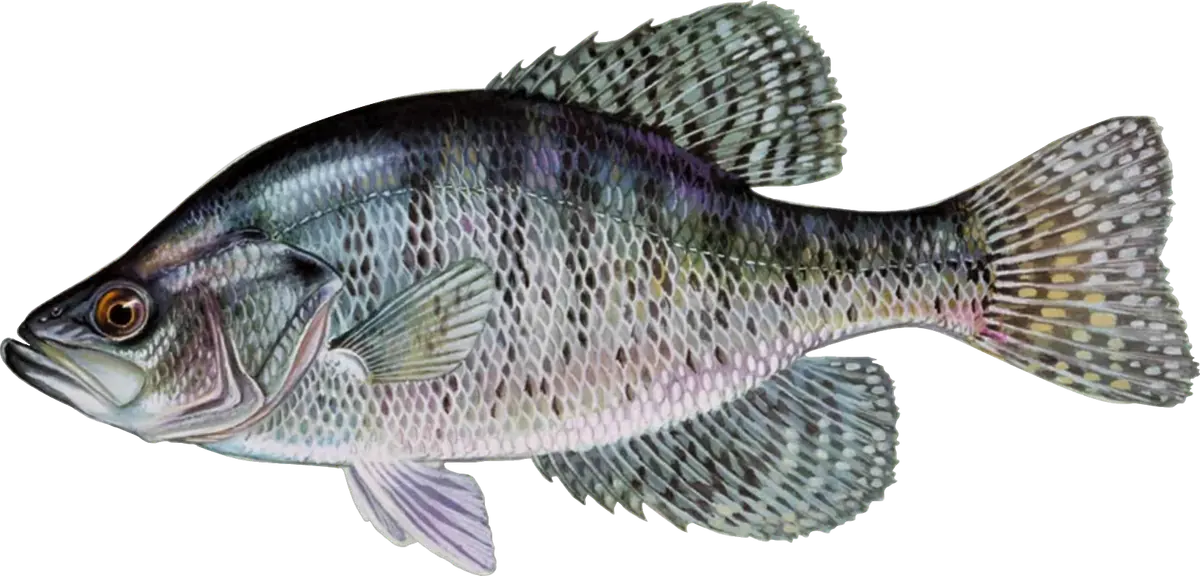
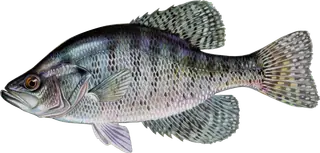
Illustration of White Crappie
Illustration: Duane Raver / U.S. Fish and Wildlife ServiceNot to scale

At a glance

Typical size
About 7 to 8 inches by age two; fish over 4½ pounds have been landed; the species can reach about 21 inches (53 cm)
Range
Native west of the Appalachians from southern Ontario to the Gulf and west to Minnesota, South Dakota and northeastern Mexico; now widespread
Habitat
Warm, often turbid lakes, reservoirs and slow river backwaters; less tied to cover than black crappie
Best season
Spring spawn; fall; cold months
Common methods
Minnows or small jigs under a float around submerged trees and docks; vertical jigging; slow trolling
Baits and lures
Live minnows; small plastic and hair jigs, tubes and grubs

01Introduction

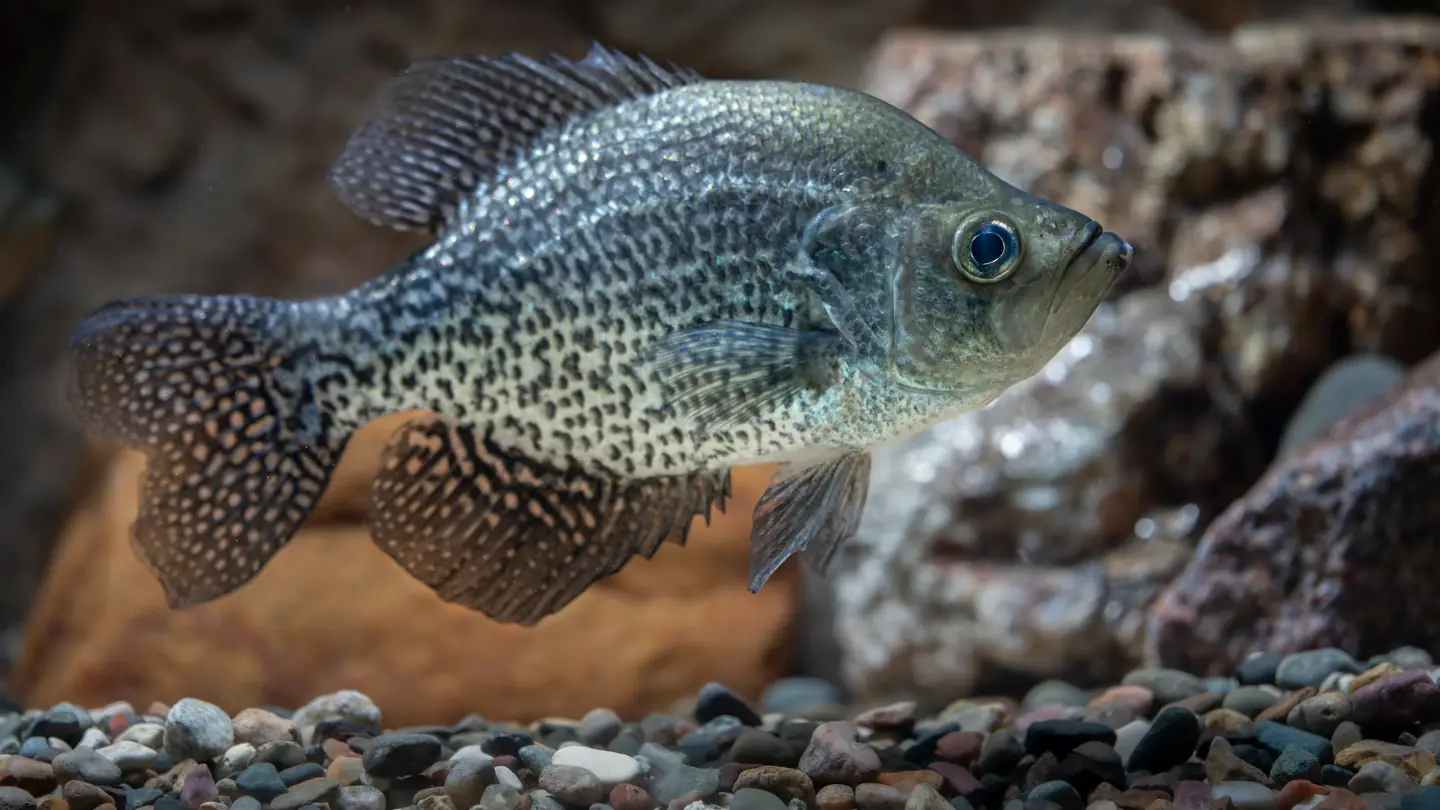
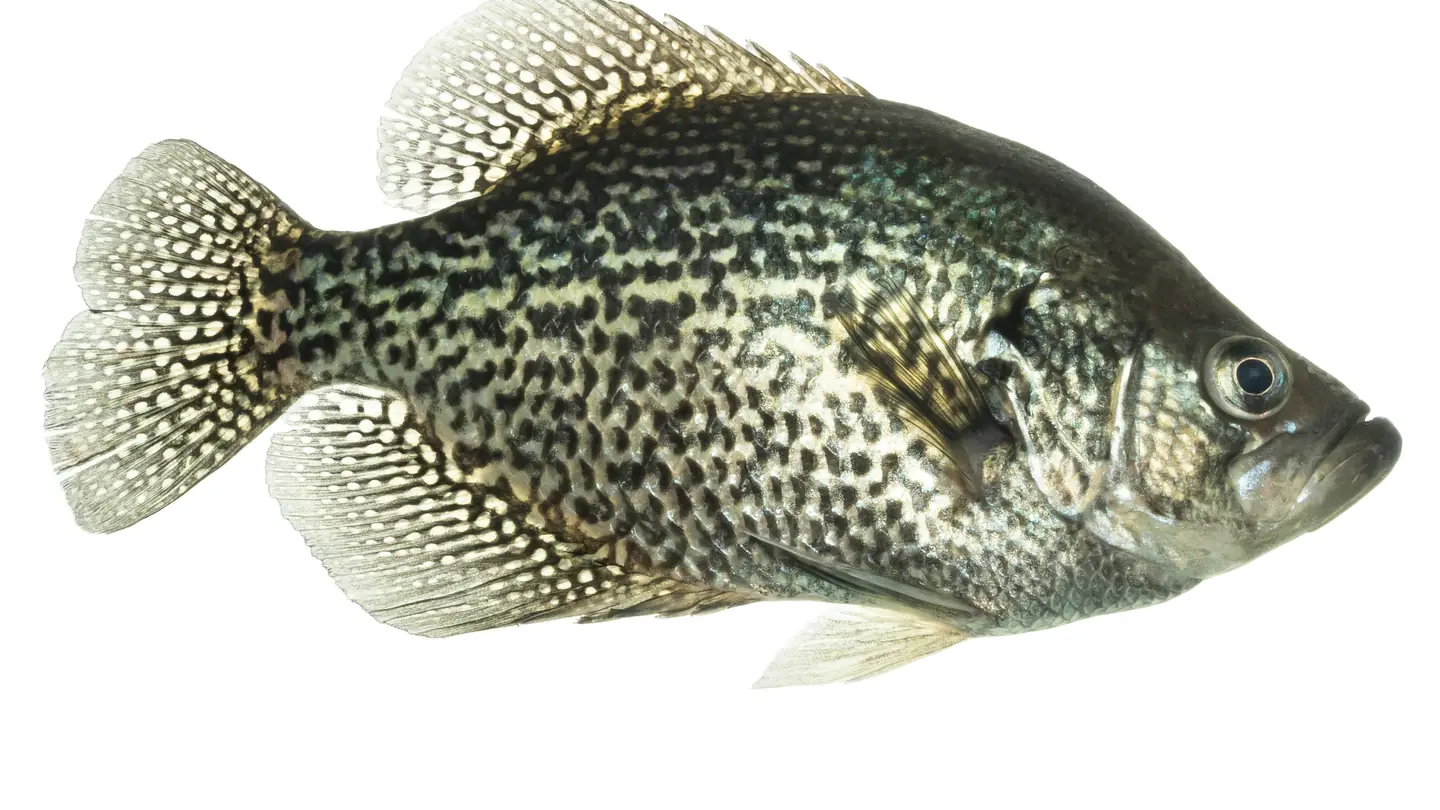
The white crappie is a silvery, deep-bodied panfish with several dark vertical bars, a close cousin of the black crappie and just as good to eat. It's native to the central U.S. but now lives across much of the country. White crappie tolerate muddy, warm water better than black crappie and depend less on cover.

02Where to Catch

Range: native west of the Appalachians, from southern Ontario south to the Gulf of Mexico and west to Minnesota, South Dakota and northeastern Mexico. Stocking has spread it east to the Atlantic coast and west to California.

Habitat: warm lakes, reservoirs and slow river backwaters, often turbid. They're most abundant in lakes and reservoirs larger than a few acres and don't need vegetation, though they grow better in clearer water. Look for schools around submerged trees, brush, docks and other structure, and suspended in open water nearby.

03How to Catch

Spring

White crappie nest in large colonies, usually as the water reaches the mid-60s°F (sometimes as low as the upper 50s). Fish shallow brush, stumps and docks with a minnow or small jig under a float, vertically jig cover in creek arms, or push a spread of minnow rigs slowly (spider-rigging).

Summer and fall

Crappie move deeper and school over drop-offs and open water near structure. In fall, as the water cools below about 50°F, downsize and slow down, working small jigs vertically; most bites come on the fall.

Tips

Crappie often suspend above cover, so change depth in small steps until you find them, and try different jig colors. Live minnows are the go-to bait.
04Tackle

A light or ultralight spinning rod with light line, small floats, and small plastic and hair jigs, tubes and grubs. Check your state's regulations for crappie limits.

05Questions anglers ask

How do I tell a white crappie from a black crappie?

White crappie are silvery with several dark vertical bars, a longer, leaner body and no more than six dorsal spines. Black crappie have irregular blotches, a deeper body and seven or eight spines.

Why are the crappie in my lake so small?

White crappie nest in big colonies and are very prolific, which often leads to overpopulation and stunting in small lakes and ponds.

Is a white crappie a "white perch"?

It's sometimes called that locally, but the true white perch is a different fish in another family.

Reading

White Crappie articles

November 10, 2026

The Ultimate Guide to Crappie Fishing

Black and white crappie through the year: where the schools go from late ice to the spawn, summer and fall; small jigs, minnows and floats; vertical jigging, spider-rigging and trolling; and the light tackle that keeps them hooked.

November 3, 2026

Ice Fishing for Panfish

Bluegills, crappie and perch bite all winter under the ice. Here's where they are at first ice, midwinter and late ice, the tiny jigs and rigs that catch them, and how to stay safe out there.

November 3, 2026

Crappie Fishing Through the Seasons

Crappie school up, move with the water temperature, and bite light. Here's where to find them from the spring spawn to summer brush and channels, fall drawdowns and winter, and how to fish jigs, floats and minnows.