Fresh water: fishing license
You need a New York fishing license to fish fresh water once you're past the minimum age. You can
buy an annual license (good for a full year from the day you buy it), a 7-day or a 1-day license,
and residents can buy a lifetime license. Some groups qualify for a free or reduced-fee license,
including certain military members and disabled veterans, seniors, legally blind residents and
out-of-state college students studying full-time in New York. The
DEC license page
lists the ages and fees.
You don't need a license on DEC's free fishing days, at a free DEC learn-to-fish clinic, on a
licensed fishing preserve, or in a few other cases, such as farm families on their own land.
Salt water: the free Marine Fishing Registry
There's no saltwater license in New York. Instead, anglers past the minimum age enroll in the free
Recreational Marine Fishing Registry, online, by phone or from a license agent. It's good for a
year. You need it to fish for saltwater species around Long Island and New York City, including
the Hudson River south of the Mario Cuomo (Tappan Zee) Bridge.
You don't need to register to fish from a licensed party or charter boat, or to go crabbing,
lobstering or clamming (though lobsters need a separate resident-only permit, and towns may
require shellfish permits). Connecticut and Rhode Island residents with their own state's
saltwater license are covered. Your New York registration also covers federal waters offshore and
Connecticut and Rhode Island waters, but not New Jersey waters such as Raritan and Sandy Hook
bays.
Striped bass, shad and eels in fresh water
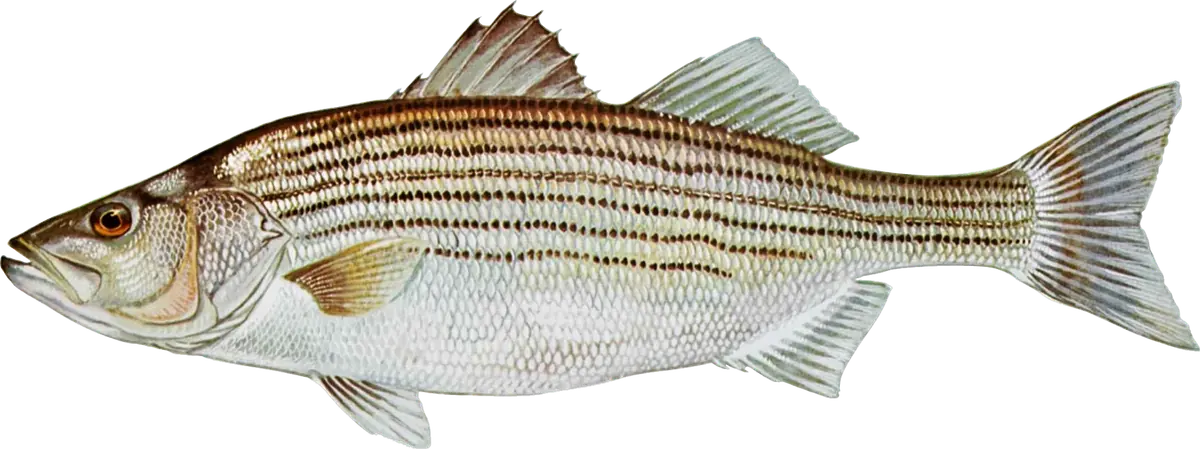
Striped bass, American and hickory shad, sea-run herring and American eels are "migratory fish of
the sea." To fish for them in the tidal Hudson (up to the Troy Dam) or in the Delaware or Mohawk
rivers, you need the marine registry, not a freshwater license. Everything else in those rivers
needs a freshwater license. The tidal Hudson also has its own
rules: no fishing at all for black bass part of the year, no shad fishing, a winter closure for
stripers above the Mario Cuomo Bridge, and in-line circle hooks whenever you fish bait for
stripers.
Border waters
- Lake Champlain: New York and Vermont honor each other's licenses on the lake.
- Delaware River (including the West Branch along the state line): a New York or Pennsylvania
license is valid.
- Greenwood Lake (New Jersey line): a New York license is valid on the New Jersey side only
from a boat or the ice.
- Lake Erie, Lake Ontario, the St. Lawrence and the Niagara: your New York license covers only
New York's side of the line. Fishing the Canadian or Pennsylvania side needs that jurisdiction's
license.
- Seneca Nation lands, including most of lower Cattaraugus Creek, need a Seneca Nation fishing
license.
Special access permits
- NYC water-supply reservoirs and watershed lands (Kensico, the Croton reservoirs, Ashokan,
Rondout, Pepacton, Cannonsville, Schoharie and others): you need a free NYC DEP Access
Permit, applied for online. Any boat must be steam cleaned by a DEP-approved vendor and carry a
DEP boat tag.
- DEC lands on Long Island: a free State Managed Land Access Permit (good for three years) is
needed for any activity, except at DEC's Waterway Access Sites.
- Long Island state parks: fishing at some parks, such as Montauk Point, Hither Hills and Camp
Hero, needs a state parks sport fishing permit, and night fishing and beach driving need their
own permits.
- Gateway National Recreation Area (Jamaica Bay, Breezy Point, Staten Island): after-hours
fishing and the designated fishing lots need a Gateway Fishing Access Permit, and driving onto
Breezy Point needs an off-road vehicle pass.
Rules and digests
- Fresh water: DEC's
freshwater fishing regulations
have statewide limits plus special rules by region and county, and separate sections for trout
streams, the Great Lakes and their tributaries, Lake Champlain, the tidal Hudson and border waters.
Many waters on this site say "special regulations apply"; check them before you fish.
- Salt water: DEC's
saltwater regulations
change during the year. Blackfish rules differ between Long Island Sound and the ocean side.
Tuna and sharks
Tuna and sharks are managed federally. Fishing for them needs a NOAA Fisheries Highly Migratory
Species permit in addition to the marine registry.
Before you eat your catch
Some New York fish carry contaminants such as PCBs and mercury. The upper Hudson between Troy and
Hudson Falls is catch-and-release only for that reason. Check the Department of Health's fish
advisories before eating fish from the Hudson, Lake Champlain and other waters.