BasicFishing— home

Saltwater

Red Drum

Where to find them, how to catch them and the tackle to use.

Red DrumNot to scale

At a glance

Typical size
Inshore "puppy" and slot reds mostly 4 to 8 pounds; adult "bull" or "old" drum of 20 to 60 pounds; the record is over 90 pounds
Range
Atlantic coast from Massachusetts to Key West and around the Gulf of Mexico to Mexico; uncommon north of New Jersey
Habitat
Shallow bays, marsh creeks, grass flats, oyster bars, inlets, jetties and the surf; adults along beaches, shoals and nearshore waters
Best season
Late summer and fall for big spawning drum; spring through fall for inshore fish; winter in creeks and rivers in the South
Common methods
Sight-casting the shallows, popping corks, bottom rigs in the surf and inlets, fly fishing
Baits and lures
Live shrimp, finger mullet, menhaden, croakers, small blue crabs, cut bait; spoons, soft plastics on jigheads, topwaters, crab and shrimp flies

01Introduction

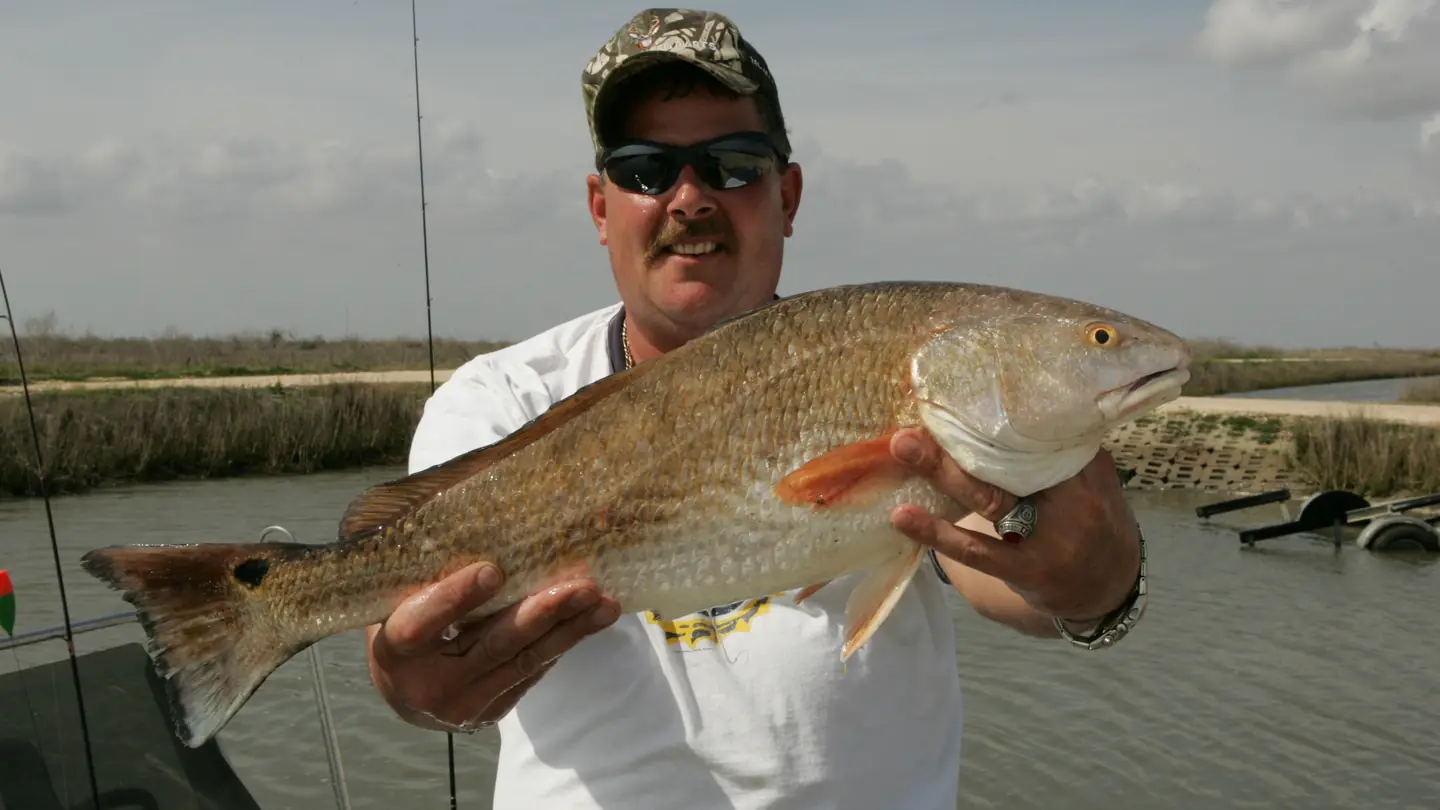
The red drum, also called redfish, channel bass or simply "red," is one of the most popular inshore fish on the Atlantic and Gulf coasts. It's a copper-to-bronze member of the drum family with a black spot (or several) near the base of its tail, and it drums with its swim bladder like its relatives the black drum, croaker and seatrout. Young reds live in the bays and marshes and are caught on everything from live shrimp to topwater plugs and flies; adults, the big "bull" or "old" drum of 20 to 60 pounds and more, live along the beaches and in the ocean and come into inlets and sounds to spawn. Red drum can live more than 35 years.

02Where to Catch

Range: the Atlantic coast from Massachusetts to Key West and all around the Gulf of Mexico to Mexico. They're uncommon north of New Jersey and more abundant in the Gulf than the Atlantic.

Young reds (puppy and slot fish): they spend their first three or four years inshore and don't move far. Look for them in water 1 to 4 feet deep along the edges of bays and marshes, over seagrass, soft mud and oyster reefs, and wherever the shoreline breaks: coves, points, creek mouths, jetties, old pilings and guts. They often feed so shallow their backs show, or "tail," head-down in the grass with the tail out of the water. In cold snaps they crowd into tidal creeks and rivers, sometimes far upstream into fresh water.

Big adult drum: they leave the estuaries for beaches, shoals and nearshore waters, often in large schools, following menhaden and mullet. In late summer and fall they gather near inlets, passes and the mouths of big sounds to spawn, and they run the surf, which is when shore and pier anglers catch the biggest fish.

Tides and weather: reds move between the shallows and deeper water with the tide and the water temperature. Moving water, whether from tide or wind, concentrates them.

03How to Catch

Sight fishing the shallows

Stalking reds on grass flats and in marsh creeks, by wading or poling, is red drum fishing at its best. Cast ahead of cruising or tailing fish with a weedless or shallow-running gold spoon, a soft-plastic shrimp or paddletail on a light jighead, or a topwater plug, and keep your distance in clear water. On a fly rod, small poppers, baitfish streamers and shrimp and crab flies all work.

Popping corks and live bait

A live shrimp under a popping cork, popped now and then to imitate feeding, is a classic way to find reds. Finger mullet, small croakers, pinfish and mud minnows on a slip-sinker or Carolina rig, and small blue crabs fished on the bottom, all catch fish around oyster bars, docks and creek mouths.

Surf and inlets

For big drum from the beach or a pier, fish fresh cut mullet or menhaden, large live mullet or blue crab on a bottom rig with a sinker heavy enough to hold. A fish-finder rig (sliding sinker) lets the fish run with the bait. Early morning, late afternoon and night are often best.

Open-water bull reds

In big open sounds and bays, spawning drum feed under schools of bait. Look for flashes at the surface or birds over bait balls, then fish soft plastics or bait under large popping corks, or cast spoons and big soft baits.

Hooking and releasing big fish

Use an inline circle hook on a short leader, with the sinker fixed a few inches above the hook. That rig hooks reds in the mouth instead of the gut. Keep big fish in the water, support them, and revive them facing into the current. Most states let anglers keep only reds within a size slot and require bull reds to be released, so check your state's regulations.
04Tackle

Most reds caught inshore are 4 to 8 pounds. A 6- to 7-foot medium spinning or baitcasting rod rated for about 8- to 17-pound line, with braid and a fluorocarbon leader, handles flats, creeks and bays; step up to a 7-foot medium-heavy rod for channels, deep oyster reefs and open-water bulls. From the surf, use a 9- to 13-foot rod with a large spinning or conventional reel, heavy line and a stout leader. Braid helps you feel bites and set the hook; some anglers prefer monofilament for live bait and topwaters, since its stretch keeps fish from pulling free.

05Questions anglers ask

How do I tell a red drum from a black drum?

Red drum are copper to bronze with one or more black spots near the base of the tail and no barbels on the chin. Black drum are gray to black, have a high arched back and a cluster of whisker-like barbels under the chin, and have no tail spot.

What's a "slot" red, and what's a bull red?

Most states protect young and adult red drum and let anglers keep only fish in a middle size range, the "slot." Fish below it are puppy drum; the big adults above it, usually females that have left the estuaries for the ocean, are called bull reds or old drum and must be released. Check your state's regulations for its slot.

Why do red drum have a spot on the tail?

Scientists think the spot draws a predator's attack toward the tail instead of the head, giving the fish a better chance to escape. Most reds have one spot, many have several, and a red with no spot at all is rare.

How should I release a big red drum?

Use a circle hook on a short leader so the fish is hooked in the mouth, keep it in the water as much as you can, support its body, and hold it upright facing into the current until it swims off. Bull reds are the spawning stock.

Reading

Red Drum articles

November 10, 2026

Speckled Trout Fishing

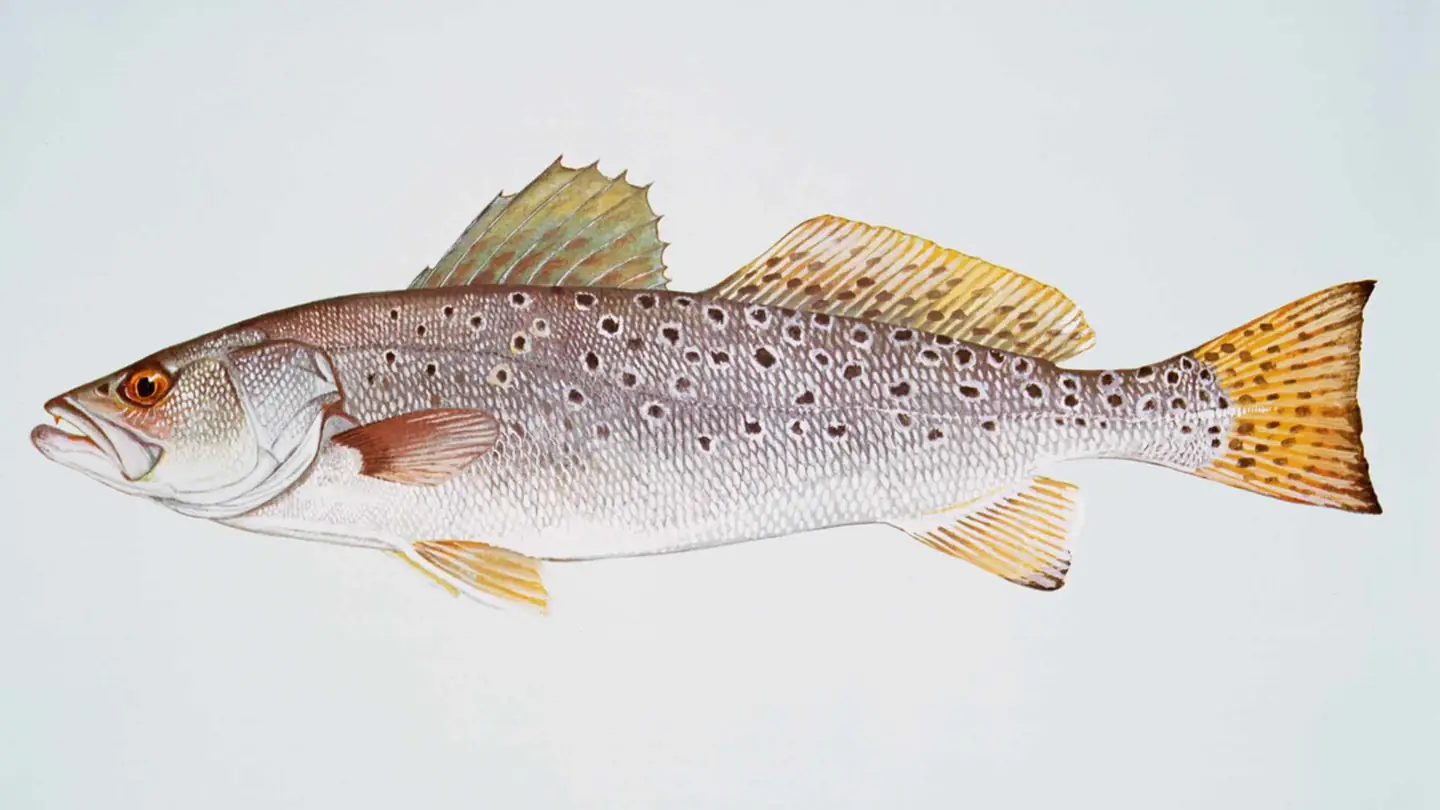
Speckled trout (spotted seatrout) school over grass, oyster shell and creek channels from the Chesapeake south. Here's where they hold through the year, how the tide and cold water change them, and the lures and baits that catch them.

November 10, 2026

Red Drum Fishing

Red drum live in the marsh as puppy drum and on the beaches as 40-pound bulls. Here's where to find them through the year, how the tide moves them, and the baits, lures and rigs that catch them.