Position
35°1.5′N 76°41.5′W
The western side of Pamlico Sound, off the mouths of the Neuse, Bay, Pamlico and Pungo rivers, is where North Carolina's giant red drum come to spawn every late summer. It's a huge, open, shallow expanse, and in August and September it holds some of the biggest red drum anywhere, with speckled trout on deeper structure.
When to fish
- July: the first big drum arrive from the ocean through the Outer Banks inlets.
- September: the peak, with pre-spawn, spawning and post-spawn fish all around. Drum of 40 to 45 inches are common and some top 50.
- Summer: speckled trout on structure in the deeper holes, mostly eating-size fish.
Where to fish
Big drum can be anywhere their food is, from the open sound up the Neuse to New Bern, up the Pamlico to Washington and up the Pungo to Belhaven, and they're happy in as little as a foot of water. Early in the day, look for flashes at or just under the surface; once the sun is up, bait packs into tight balls that are easier to spot, and drum feed under them. Expect to cover a lot of water.
How to fish it
- Red drum: soft plastics or live and cut bait under big popping corks, on heavy tackle with big circle hooks. Handle and release these spawning fish with care.
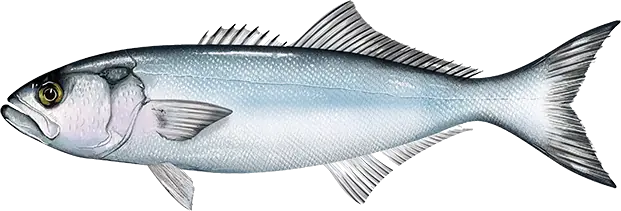
- Speckled trout: swimbaits worked on the bottom around deep structure. Trout here often sit upcurrent and upwind of the structure, not behind it. Flounder and bluefish come on the same baits. Let the biggest trout go to protect the spawners.
Getting there
Launch from Oriental or the NCWRC access areas on the Neuse, Bay and Pamlico rivers; the sound is big and gets rough fast in wind. Coastal and joint waters need North Carolina's Coastal Recreational Fishing License; see the North Carolina regulations page.
Right now
Current conditions
- Air
- 46°F
- Wind
- 22 mph
- From the SW
- Sky
- Sunny
Source: National Weather Service
More Crystal Coast and Neuse-Pamlico North Carolina conditions
From the water
Latest reports
No reports yet
No fishing reports have been published for Western Pamlico Sound yet.
Field guide
What you can catch
Close by