Article
How to Catch Stocked Trout
Stocked trout behave differently from wild fish, especially in their first days in the water. Here's where they go after stocking, when they bite best, and how to keep catching them once the crowds have worked them over.
November 3, 2026
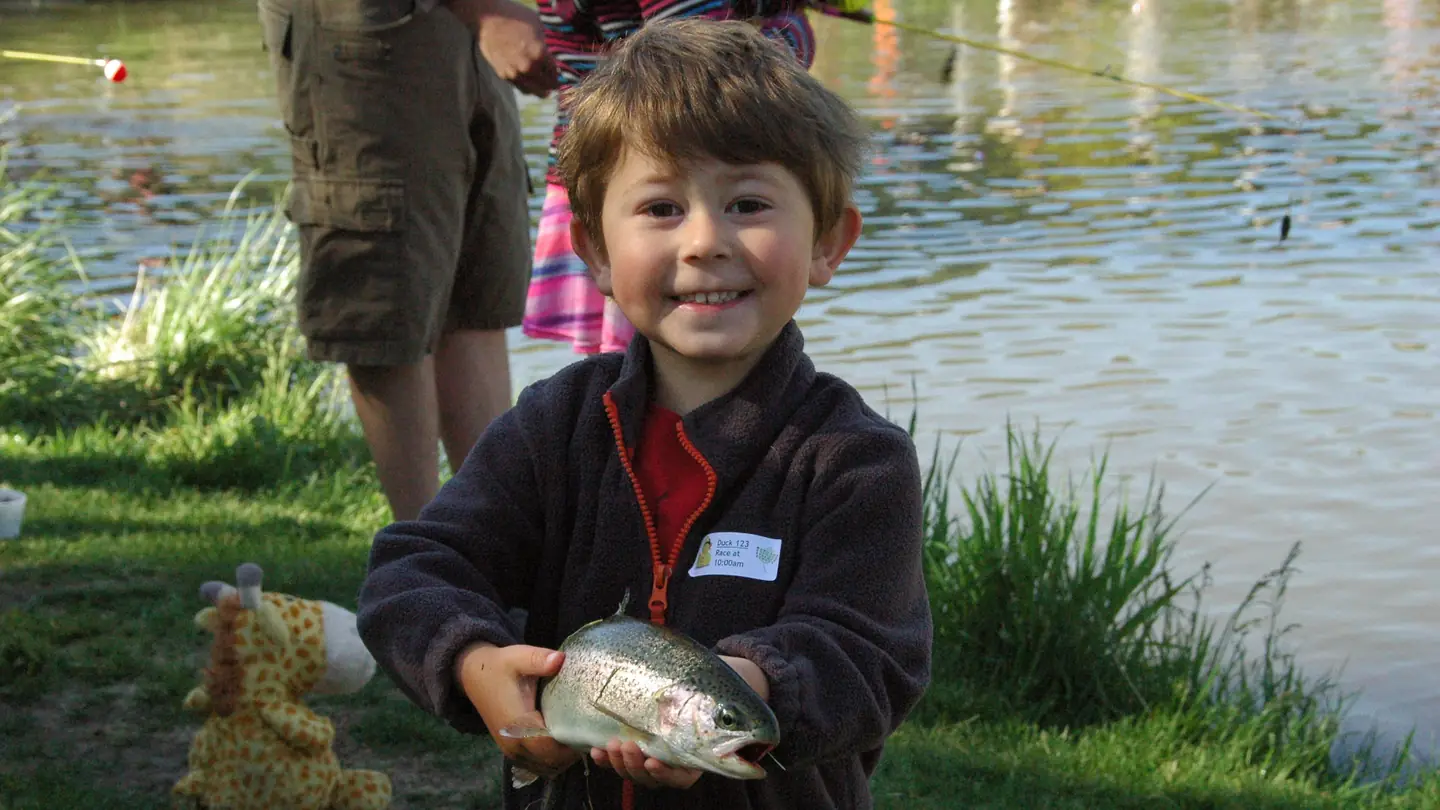
Stocked trout are the easiest trout you'll ever catch, at least for a while. A trout raised in a hatchery spent its life eating pellets in a raceway, where the first fish to the food wins. When it lands in a stream or pond, it doesn't know what to eat, where to hide, or what an angler looks like. Learn how stocked fish behave in their first days and weeks, and you can catch them long after the opening-day crowd has gone home.
Where stocked trout go
Most stocked trout don't go far. In one study of stocked trout in mountain rivers, about 70 percent stayed within roughly a mile of where they were released. In the first few weeks after a stocking, your best odds are close to where the fish were put in.
In streams, fresh trout gather in the slower, deeper water near where they were put in: pools, the slow edges of runs, and around submerged logs and branches. If you see one trout, there are usually more nearby.
In ponds and lakes, recently stocked trout often travel in schools in the shallows, especially in spring and fall. Early in the season they roam the whole pond, and they like outlets, inlets and any moving water. As the water warms in summer, they spread out and go deeper.
When to fish
- Not right off the truck. There's no need to cast at fish the moment they're released. They tend to feed better a few days after stocking, once they've settled in and are hungry, since the hatchery feedings have stopped.
- Early and late. The first couple of hours after sunrise and the couple of hours before sunset are usually best.
- Clouds and drizzle help. Overcast days and light rain often put trout on the bite.
- Water temperature. In cold early-spring water, rainbows are often easier to catch than browns. Browns get more active as the water warms.
What works on fresh stockers
Hatchery fish aren't picky, and they're used to food that looks like a pellet.
- Floating dough bait: the single most effective bait for stocked trout. It floats up off the bottom where trout can see it. Use it on a sliding-sinker rig in ponds and slow pools. See Trout Baits and Rigs.
- Salmon eggs and synthetic eggs: drifted through pools and behind boulders.
- Worms: half a nightcrawler, or red worms, drifted into deep pools.
- Small spinners and spoons: gold and silver are standards. See Trout Lures: Spinners, Spoons and More.
- Bright flies: for fly anglers, big, bright worm and egg patterns and flashy streamers stripped through the water.
Color preference changes from day to day. If one color isn't working, switch.
When the easy fish are gone
Once a stream or pond has been fished hard, the trout that are left get wary, and they soon start acting more like wild fish. Change your approach:
- Go lighter. Drop to lighter line in heavily fished water.
- Show them something new. Pressured fish get shy of the same bait everyone uses. Try a different bait, a smaller lure, or a natural bait like worms or minnows where allowed.
- Go natural. As stocked trout start acting like wild fish, natural-looking flies and drifts work better than bright attractors.
- Add bait to a lure. If trout follow your spinner but won't hit, trail a short leader with a baited hook behind it, or tip the spinner with a wax worm.
- Walk away from the crowd. Leave the popular hole by the bridge and fish the runs and pockets between stocking points that everyone else skips.
- Stay low. Wear dark clothing, stay back from the edge and move quietly.
Opening day and stocking weeks
On opening day and the days after a stocking, expect company. Don't fight the crowd at the most popular hole. The runs others ignore often hold fish too. Many state fish and wildlife agencies publish lists of stocked waters, and some publish stocking schedules.
For more on finding trout in moving water, see Where Trout Hold in Streams. For ponds and lakes, see Trout in Lakes and Ponds Through the Year.
Before you go
Trout seasons, bag limits, and rules on bait and hooks differ by state and often by stream, and some waters are catch-and-release or artificial-lures-only. Check your state's current freshwater rules before you go.
Cover photo: U.S. Fish and Wildlife Service (public domain).