Article
Trout Lures: Spinners, Spoons and More
A small spinner or spoon on ultralight tackle lets you cover a lot of water and find the active trout. Here's which lures to carry, how to cast and retrieve them in current, and the gear to use.
November 3, 2026
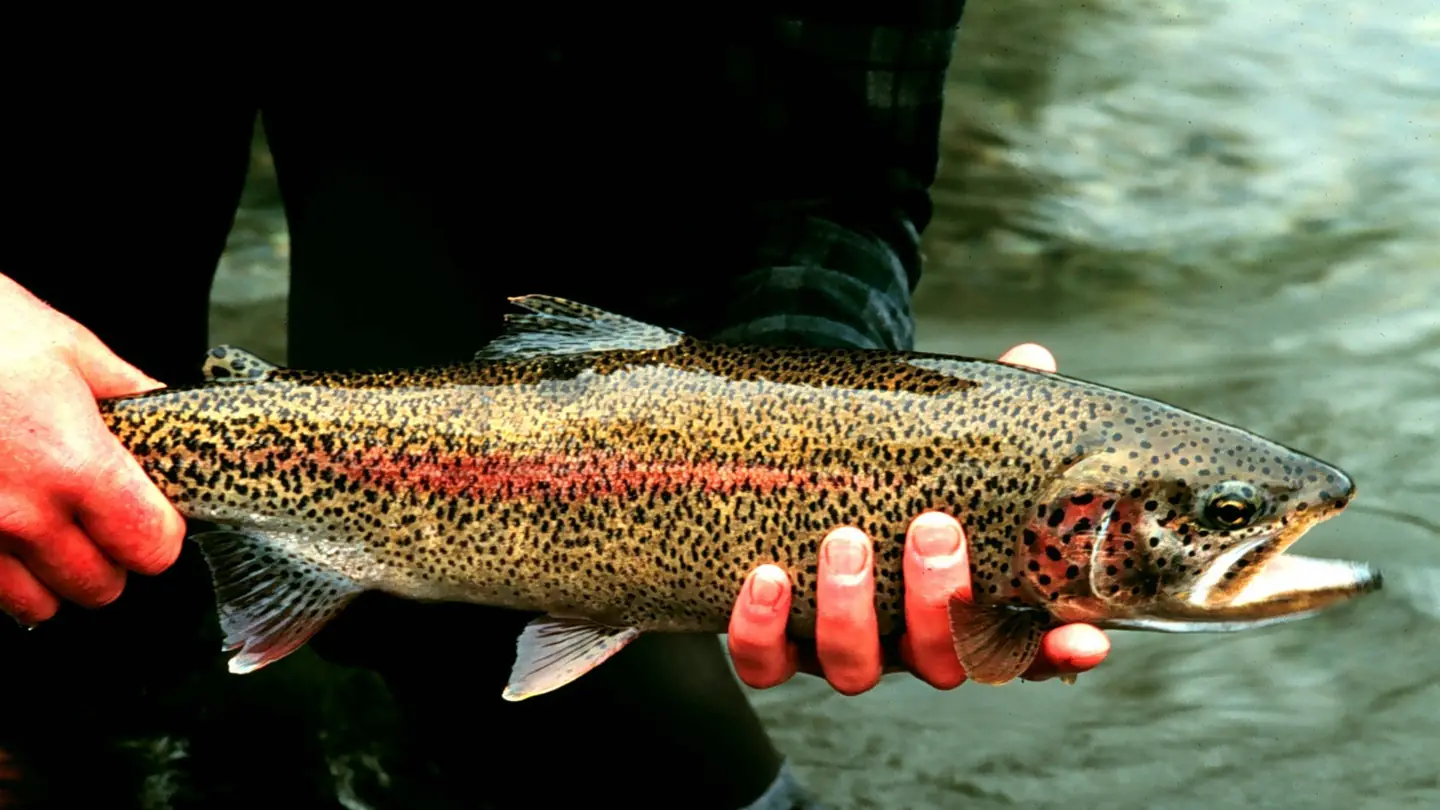
Bait fishing waits for trout to come to you. Lures let you go find them. With a box of small spinners and spoons and a light rod, you can cover a mile of stream in a morning and fish every likely spot, picking off the active trout as you go. Trout hit lures out of hunger, but also out of curiosity and aggression, so covering water is half the battle.
The lures
Inline spinners
If you carry one trout lure, make it a small inline spinner. A spinning blade on a weighted body sends out flash and vibration even at slow speeds, sinks quickly, and casts accurately into tight spots.
- Sizes: 1/32 to 1/16 ounce for most stocked-trout streams and ponds. Go heavier for deep, fast runs.
- Colors: gold and silver blades are the standards. Color preference changes from day to day, so carry a few and switch.
Spoons
Small curved metal spoons wobble and flash, in streams and in lakes.
- Sizes: 1/16 to 1/4 ounce.
Small jigs and soft plastics
Small jigs with 1- to 2-inch tubes or twister tails catch trout year-round.
Minnow plugs and small crankbaits
Small floating or sinking minnow-shaped plugs and tiny crankbaits look like the baitfish and crayfish that bigger trout eat. Brown trout especially like them. They're good in slow runs and pools, and near lake inlets in fall. Browns feed more at dusk and after dark, when a bigger plug can draw a big fish.
How to fish lures in a stream
Cast upstream
Wade or walk upstream, and cast up and slightly across the current, landing the lure above the spot you think holds a trout. Reel just fast enough to keep the spinner turning as the current brings it back toward you. Casting upstream and reeling downstream keeps the lure low in the water, where trout are, and you approach the fish from behind, where they can't see you.
Cast across
Cast straight across or slightly downstream and let the current swing the lure across the river in front of a rock, log or undercut bank. Keep the line tight as it swings. If the lure drags the bottom, go lighter.
Start right away
Start your retrieve as soon as the lure hits the water.
Accuracy over distance
Stream trout hold in small spots: behind a rock, under a branch, along a bank. A cast that lands a foot to the side often gets ignored, so practice short, accurate casts. An underhand flip of the rod puts a lure under overhanging branches. Your first cast to a spot is your best shot, so make it count.
Search, then slow down
Fish a stretch quickly with a spinner to find the aggressive trout. When you find fish that follow but won't hit, slow down: try a smaller lure, a jig, or bait.
Cover water
Lure fishing is about moving. Fish each spot a few casts and move on. Covering ground beats working one deep hole all day.
In lakes and ponds
- From shore, cast small spinners and spoons for cruising trout and retrieve steadily with an occasional twitch.
- If trout follow and won't strike, tie a short leader with a baited hook behind a spinner, or tip the spinner hook with a wax worm.
- From a boat, troll small spoons, spinners or small crankbaits. In spring, trout are shallow; as the water warms, they go deeper and you need to get the lure down to them.
- Brook trout near shore hit spinners tipped with a piece of worm.
Tackle
- Rod: a light or ultralight spinning rod, about 6 to 6½ feet, with a soft tip for casting tiny lures and enough backbone to handle a good fish. Shorter rods work under branches on small streams; longer ones cast farther on big water.
- Reel: a small spinning reel with a smooth drag.
- Line: 2- to 8-pound monofilament, lighter for clear water and pressured fish. Check it often for nicks and replace it often.
- Snap swivel: a small ball-bearing snap swivel cuts line twist from spinners and spoons and makes lure changes fast.
Colors
In low, clear water, use subtle, natural colors. Otherwise, let the fish tell you: carry a few colors and switch until one works.
For bait options, see Trout Baits and Rigs. For where to cast, see Where Trout Hold in Streams.
Before you go
Some trout waters are artificial-lures-only, fly-fishing-only or catch-and-release, and some limit hook types. Check your state's current freshwater rules for each water.
Cover photo: U.S. Fish and Wildlife Service (public domain).