Fresh water: fishing license
You need a Massachusetts fishing license to fish fresh water above a minimum age. Residents in
their late teens and seniors get the license free, but they still need one. The
MassWildlife license page
lists the exact ages.
- Carry the license when you fish, on paper or on your phone. If an officer asks, you must show a
complete, readable copy.
- Licenses run from the day you buy them through December 31.
- Residents who are blind or have an intellectual disability or paraplegia can get a free license.
The first time, it takes a mailed application; after that it renews online.
Salt water: saltwater fishing permit
Salt water needs a separate recreational saltwater fishing permit from the Division of Marine
Fisheries. Residents and non-residents pay the same. Seniors get it free but must still have one.
It expires every December 31, and you carry it the same way as the freshwater license.
You don't need the permit if you're under the minimum age, fishing on a permitted charter or party
boat, or a non-resident holding a Connecticut, New Hampshire or Rhode Island saltwater permit.
Fishing next door: a Massachusetts permit also covers the marine waters of Maine and Rhode
Island, New Hampshire (unless you live there) and Connecticut (if you live in Massachusetts).
Where fresh water ends
- Merrimack River: downstream of the first Interstate 495 bridge in Haverhill, saltwater rules
apply; upstream, freshwater rules do.
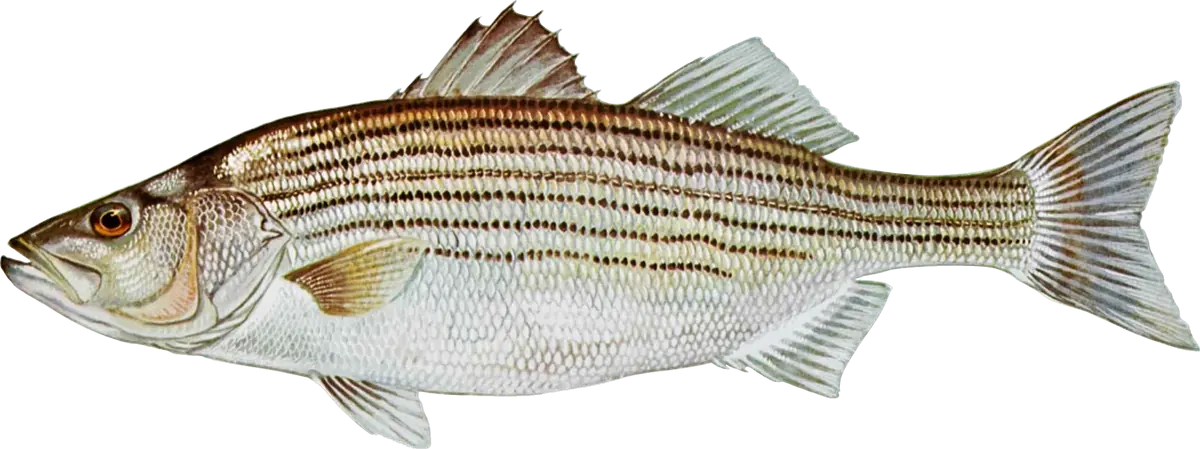
- Striped bass and herring are managed by the Division of Marine Fisheries even in fresh water,
so check its rules for them.
Quabbin and Wachusett reservoirs
The Department of Conservation and Recreation sets the fishing seasons on Quabbin and Wachusett
reservoirs, and the reservoirs are closed to fishing outside them. Wachusett allows shore fishing
only, along a set stretch. Check DCR's fishing guides before you go.
Border ponds
A handful of ponds on the state line can be fished with either state's license, and the listing
says whose rules apply. These include Wallum Lake (Rhode Island rules), Lake Monomonac and Long
Pond in Tyngsboro (New Hampshire rules), and Congamond Lake (Massachusetts rules). The full list is
on the freshwater regulations page.
Tuna, sharks and billfish offshore
Tunas, billfish and swordfish are managed federally. Keeping them from a boat takes a federal
Atlantic HMS Angling permit from NOAA Fisheries, renewed every year. Sharks need a shark
endorsement on the permit.
Free fishing days
Once a year MassWildlife holds a Free Fishing Weekend, when anyone can fish public fresh waters
without a license. The Division of Marine Fisheries also sets free saltwater fishing days. All
other rules, including catch limits, still apply.
Where to buy
Buy a license or saltwater permit online any time on MassFishHunt. You can also buy a freshwater
license in person from a license agent, including some retail stores and MassWildlife offices
(cash or check only there). Saltwater permits are also sold by approved vendors and at the Division
of Marine Fisheries offices in Gloucester and New Bedford.
Before you eat your catch
Some Massachusetts fish carry contaminants such as mercury and PCBs. The Department of Public
Health's fish consumption advisories list
which waters and species to limit, including special advisories for the Housatonic River, the Lower
Mystic River and New Bedford Harbor.