Article
Largemouth Bass Through the Seasons
Water temperature tells you where bass are and how they'll bite. Here's what largemouths do from the cold of winter through the spawn, summer and fall, and what to throw at each stage.
November 3, 2026
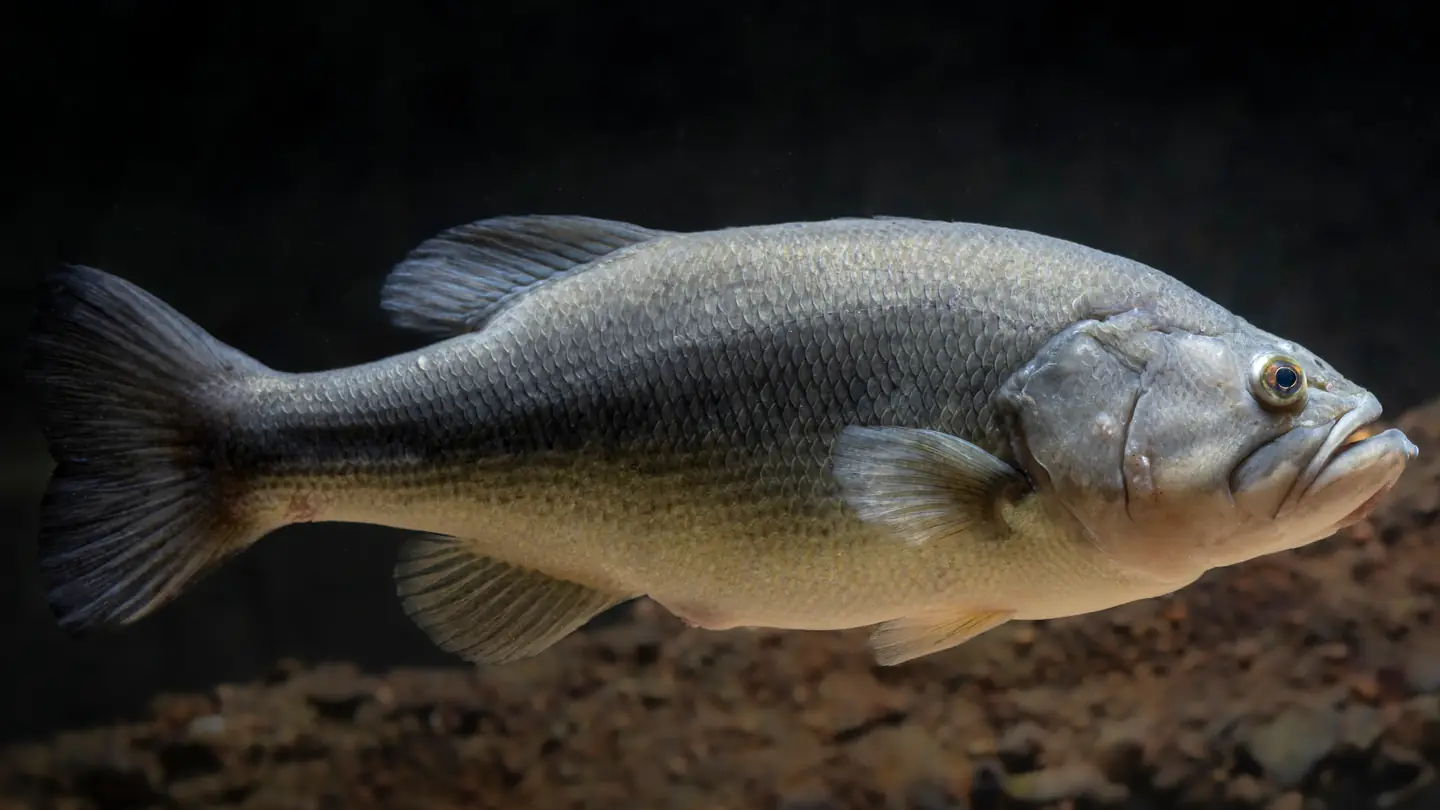
Bass are cold-blooded, so the water temperature runs their lives. It tells them when to feed, when to move shallow, when to spawn and when to go deep. If you know the water temperature, you know roughly where most of the bass in a lake are and how they'll bite. A surface temperature reading on your boat's electronics is one of the most useful bass tools you can have.
One caution: surface temperature is most reliable when fish are shallow. A few warm days can heat the top of the water fast while the water 10 feet down barely changes.
Where bass live
Before seasons, the basics. Largemouth bass prefer warm, shallow water with cover: weeds, brush, fallen trees, docks, stumps and rocks. They're ambush predators, and cover is where they hide and hunt. Where there's little vegetation, as in many ponds and reservoirs, they'll use any wood they can find; even a single branch lying in the water along a pond bank can hold a bass. Open-water feeding happens, but it's the exception.
The year by water temperature
Winter: 45 to 50°F and colder
Bass are sluggish and won't chase much. Most are deep, often deeper than 15 feet, on the main body of the lake rather than in the creek arms. Look for steep structure where they can change depth without swimming far: rock bluffs, channel drop-offs, standing timber and steep banks. In clear lakes, winter bass can go very deep; in murky lakes, they stay shallower. In rivers, look for deep water out of the current, such as backwaters.
What to throw: slow. Jigs, Ned rigs and drop-shots dragged along the bottom, and suspending jerkbaits paused for a long time. Fish parallel to steep structure to keep your lure in the strike zone longer.
Early prespawn: 50 to 55°F
Once the water hits about 50°F, bass start moving toward their spawning areas, and around 52°F they start feeding hard. They stage on main-lake points and secondary points near the coves, creeks and pockets where they'll spawn. Steep banks between the points and the shallows act as highways.
Follow the migration routes: ditches, creek channels, tapering points and fallen trees on sloping banks that lead toward shallow, protected water. Northern banks warm first, so start there, and avoid spots battered by cold north winds. In a reservoir, the upper end warms before the lower end, so the spawn starts there earlier.
What to throw: jerkbaits and jigs still work. Add crawfish-colored crankbaits, slow-rolled spinnerbaits, and lipless crankbaits to cover water. Pick up the pace as the water warms.
Late prespawn: 55 to 60°F
Bass push shallow, into less than 10 feet, and feed heavily around cover: laydowns, boulders, brush piles, docks and new weed growth. A good share of the bass in the lake will be up and aggressive.
What to throw: reaction baits, including spinnerbaits, squarebill crankbaits, vibrating jigs and lipless crankbaits, plus a jig for each piece of cover you come across.
Spawn: 60 to 65°F
Most bass spawn in this range. They make beds in shallow, protected water on the hardest, cleanest bottom they can find, preferably near cover: gravel bars, hard flats with scattered stumps or rocks, seawalls, and isolated weed patches. Many fish move up around the new or full moon or after a run of sunny days. The biggest bass usually spawn first.
What to throw: a soft plastic in or near the bed. Spawning bass guard their nests and will grab a bait to move it. You can do this by sight in clear water or by casting blind to likely spawning flats. If you'd rather leave bedding fish alone, there are always prespawn fish nearby.
Postspawn: 65 to 70°F
After spawning, bass rest and recover near the spawning areas, often suspended near vertical cover like dock pilings, standing timber and bushes. Many are lethargic and won't feed much at first. As baitfish start spawning on docks, riprap and brush, bass gather around them and get aggressive.
What to throw: keep it high in the water column. Wacky rigs and other finesse baits for tired loners, and topwater lures and swimming jigs for active fish.
Summer: 70°F and up
Most bass move out to the main lake and deeper water, often more than 15 feet, on channel-related structure: points, humps, drop-offs, ledges, brush and rock. In the heat, they hold near cover and feed in short bursts. Light matters; on bright days, they go deeper or tuck into shade.
Not every bass goes deep. In weedy lakes, many stay in thick weeds in bays and pockets, where the water is cooler and has more oxygen, and position on holes, pockets and points in the weedbed. Early morning and evening are often the best times.
What to throw: on deep structure, Texas rigs, Carolina rigs, football jigs, deep-diving crankbaits and drop-shots. In weeds, weedless frogs on top or a Texas-rigged worm or jig pitched into holes. Topwater lures like buzzbaits and prop baits for shallow fish at dawn and dusk.
Fall: cooling back down
Fall starts when the water cools noticeably from its summer peak, and a fast drop really gets bass moving. They follow baitfish shallow onto flats, long tapering points, and into the creek arms. Start near the mouth of a creek arm in early fall and work farther back as the water cools. Isolated wood and docks in the backs of creeks are classic fall spots. Where there are no shad, bass key on bluegills and shiners in the weeds.
What to throw: lures that look like baitfish and stay off the bottom, matched to the size of the bait. Spinnerbaits, shallow and medium crankbaits, and topwater lures, especially when bass are schooling on the surface. Once the water drops into the 50s, bass slide a little deeper again, and in the upper 40s the cycle starts over.
Reading a new lake
If you don't know a lake, let the season narrow the search:
- Spring: spawning flats and the backs of creeks and coves, and the points leading into them.
- Summer and winter: deep water near channel drops, creek mouths and the main lake.
- Fall: creek arms and flats where the baitfish are.
Then use your electronics and a few lures to find out which depth and which cover the fish are using that day.
For lures and rigs, see Soft Plastics for Bass and Bass Lures: Crankbaits, Spinnerbaits, Jerkbaits and Topwater.
Before you go
Bass seasons, size limits and any rules on fishing for spawning bass are set by each state. Check your state's current freshwater rules before you go.
Cover photo: Sam Stukel, U.S. Fish and Wildlife Service (public domain).