Article
Bluefish Tackle: Rods, Line and When to Use Wire
Bluefish teeth cut line like scissors, but a wire leader can cost you bites. Here's the gear that handles blues, and how to decide between wire, heavy mono and fluorocarbon.
November 3, 2026
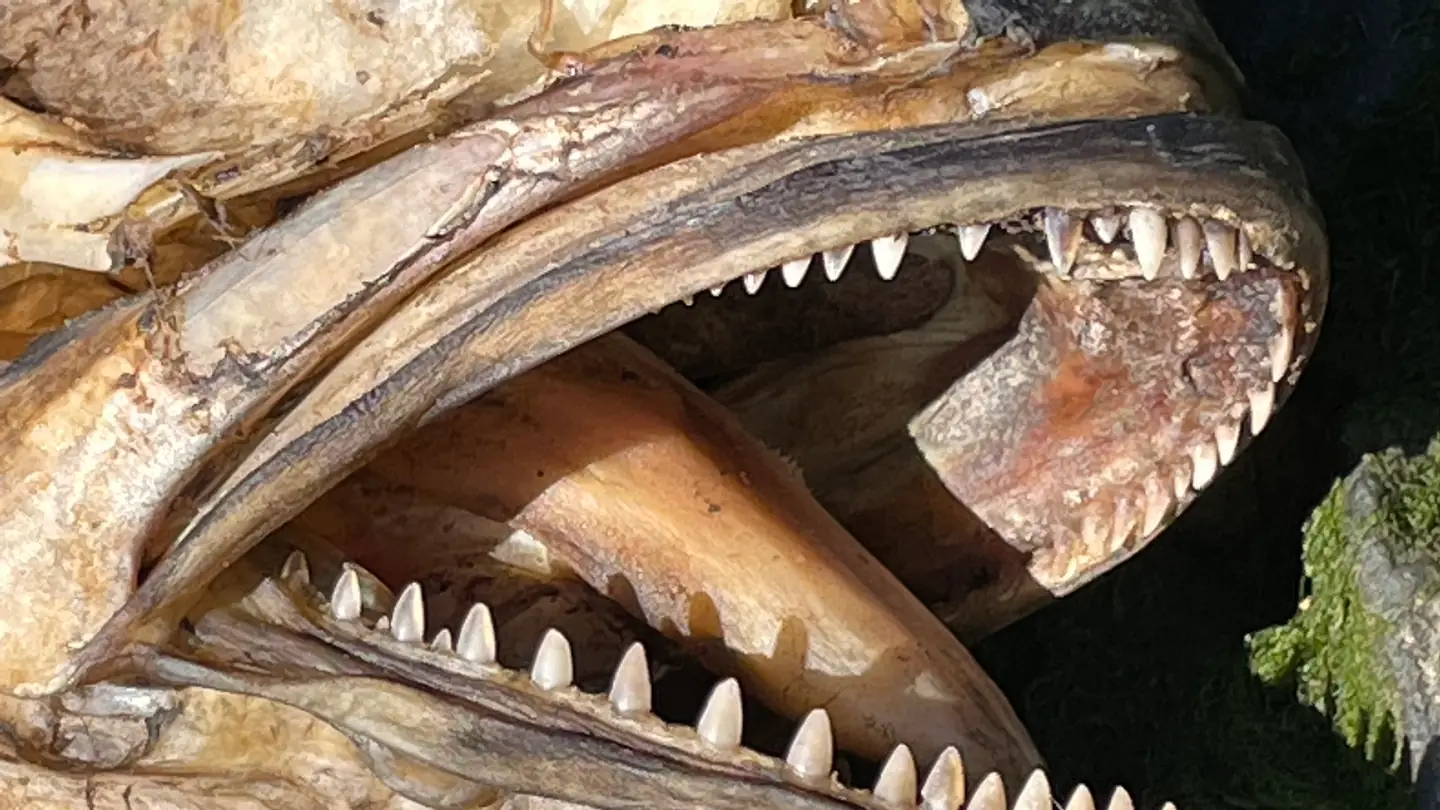
Every bluefish trip starts with the same question: wire or no wire? Bluefish have a mouth full of sharp, triangular teeth that cut through monofilament without slowing down. A wire leader stops that. But on some days a wire leader also stops the bites. Here's how to set up for blues, and how to make that call.
Rods and reels
Wherever there are blues, there's a chance of a big one, so gear up for it and don't go too light.
| Where you're fishing | Outfit |
|---|---|
| Piers, docks, bay and sound beaches | 7- to 9-foot medium to medium-heavy spinning rod, 12- to 15-pound line |
| Open ocean beaches | 9-foot or longer surf rod, to get past the breakers |
| Casting lures from a boat | Spinning rod, heavier for big blues |
| Bait from a boat | 12- to 30-pound class conventional gear |
| Snappers | Ultralight spinning, or a cane pole and bobber |
The same surf and boat outfits you use for striped bass handle blues fine.
Line: mono or braid
Monofilament is still the most popular main line for bluefish. It's cheap, ties strong knots, casts well and stretches, which cushions the sudden, head-shaking lunges blues are known for. It's a good choice for casting metal and poppers and for bait.
Braid barely stretches, so you feel everything, including the surprisingly gentle pickups blues sometimes make on bait. Its thin diameter cuts through current and lets you use lighter lures and weights. Choose braid for fishing bait deep, jigging, and casting to fish on top.
Either way, you'll add a leader.
The leader question
Wire
A short wire leader, around 18 inches, is the sure way to avoid bite-offs. Choose a dull, coffee-colored or dark wire rather than bright, shiny wire. Wire makes sense when:
- You're trolling. Run wire to the hook on trolled lures.
- You're fly fishing or casting lures to a school of big, aggressive blues.
Heavy mono or fluorocarbon
Wire is visible and stiff, and it makes a bait or lure look less natural. When blues get picky, which happens more than people think, switching to a heavy mono or fluorocarbon leader often turns the bite back on.
- Heavy mono: 60- to 100-pound leaders are much harder to see than wire, and a bait on mono drifts and sinks more naturally. A heavy mono leader will usually stand up to a few blues before it's chewed enough to replace.
- Fluorocarbon: even less visible than mono and tougher against abrasion. Use 2 to 4 feet. Around 50- to 60-pound fluorocarbon works as a "bite tippet" for blues.
Mono and fluorocarbon leaders get cut now and then. Check the leader after every fish and retie when it's nicked. Keeping solid tension on the lure and the fish helps, too: a slack line lets a blue get its teeth onto the leader.
Let the lure be the leader
You can skip wire entirely by using lures that keep the teeth away from your line:
- Diamond jigs and other long metal: a 6- to 8-inch metal jig is too hard to bite through and long enough to keep teeth off the leader. Tie it straight to a mono leader. Jigs rigged that way catch more blues than jigs with wire, which tangles on the drop.
- Poppers with a single tail hook: take off the treble hooks and put a single long-shank hook on the tail. Every blue gets hooked behind the plug, and the plug's body protects the leader. Unhooking gets much easier too. Hard plastic plugs hold up to their teeth far better than wood.
- Long-shank bucktails: the length keeps the leader out of the mouth. Bucktails tied with synthetic hair last longer than natural hair, which blues chew off quickly.
Watch the swivel
A shiny swivel at the top of a wire leader can draw a strike of its own. The blue cuts the line above it, and you lose the fish, the leader and the lure. When you can, skip the swivel and tie the leader straight to your line.
Hooks for bait
- Long-shank hooks: the extra shank keeps the teeth away from the leader, and sometimes lets you get away with no heavy leader at all.
- Circle hooks: a great choice with a heavy mono leader. As a bluefish eats and turns away, the circle slides to the corner of its jaw, where its teeth can't reach the line. If the fish keeps eating without turning, reel up the slack until it feels the line and turns. It will hook itself.
- Sizes: large baitholder or long-shank hooks of 4/0 to 8/0, or similarly sized circle hooks. Stainless hooks of 5/0 to 7/0 are a common choice for chunk baits.
If striped bass could take your bait, the circle-hook rule for stripers applies. See Live and Cut Bait for Striped Bass.
Knots
Joining a heavy leader to light main line is where many bluefish rigs fail.
- Mono main line: double the end of your line first with a Bimini twist or spider hitch, then tie the doubled line to the leader with a double surgeon's knot. The doubled line makes up for the strength the knot loses.
- Braid: double about 2 feet of braid and tie it to the leader with a five-turn surgeon's knot. Braid is slippery; extra turns keep it from slipping.
Landing and handling
A big bluefish can shred a cheap landing net, so many boat anglers use a gaff on fish they're keeping. Unhook every bluefish with long-nose pliers or a dehooker, never fingers. Their teeth can do serious damage. Children should never unhook a bluefish. For more on handling and keeping your catch, see Handling, Cleaning and Cooking Bluefish.
Before you go
Bluefish bag limits and size rules change from year to year. Check your state's current saltwater rules.
Cover photo: bobby23 via iNaturalist (CC BY 4.0, cropped).