Position
40°54.3′N 73°13.8′W
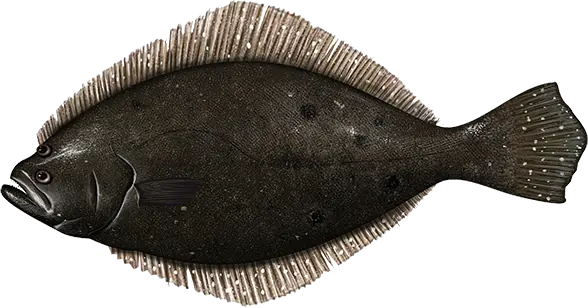
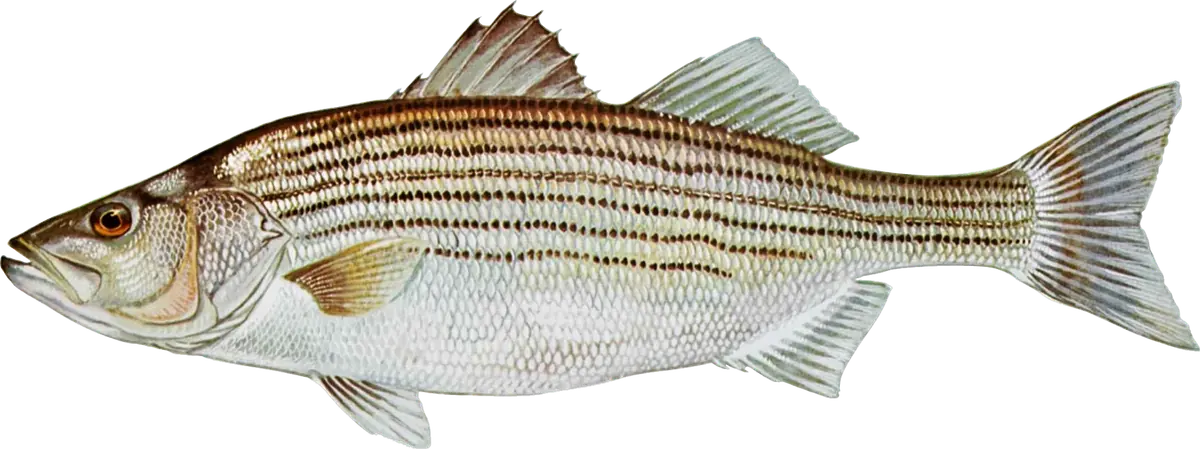
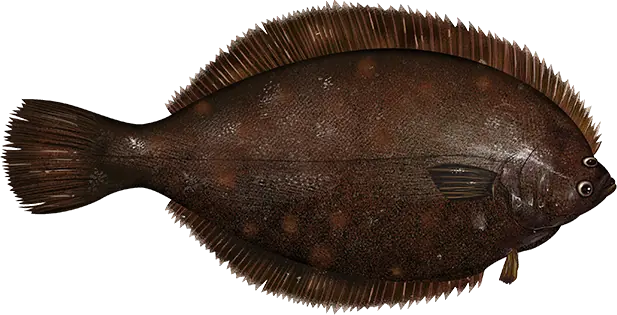
Smithtown Bay, on the North Shore and fed by the Nissequogue River and Stony Brook Harbor, is a spring fluke destination when sand eels move onto its shoals, and its artificial reef holds blackfish later in the season. The Nissequogue River, which empties into the bay at Kings Park, offers stripers and flounder in its tidal lower reaches and, unusually for Long Island, trout in its upper river.
When to fish
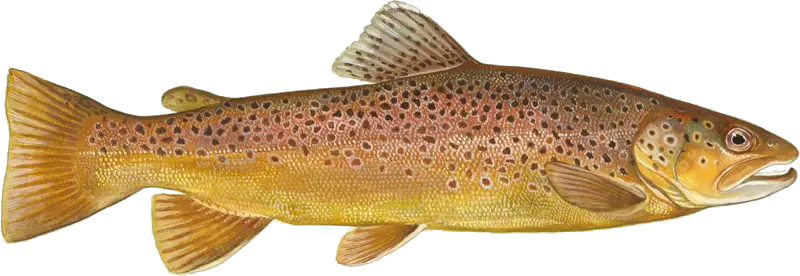
- Spring: flounder and stripers inside the Nissequogue's mouth; sea-run brown trout in the lower river; trout at Whites Pool while the water is cool.
- Late spring and early summer: fluke on the bay's shoals as sand eels arrive; by mid-July they've moved out to 50 feet and are mostly small.
- Summer into fall: blackfish on the Smithtown Reef.
Where to fish
- The shoal along the bay's shoreline (12 to 20 feet, then 20 to 30): spring fluke. When you start catching sea robins, move deeper.
- The Smithtown Reef (38 to 40 feet): barges, tires and sections of the old Tappan Zee Bridge for blackfish.
- The lower Nissequogue, between the Kings Park launch and the Smithtown Landing golf course: flounder around the islands and stripers along the shorelines.
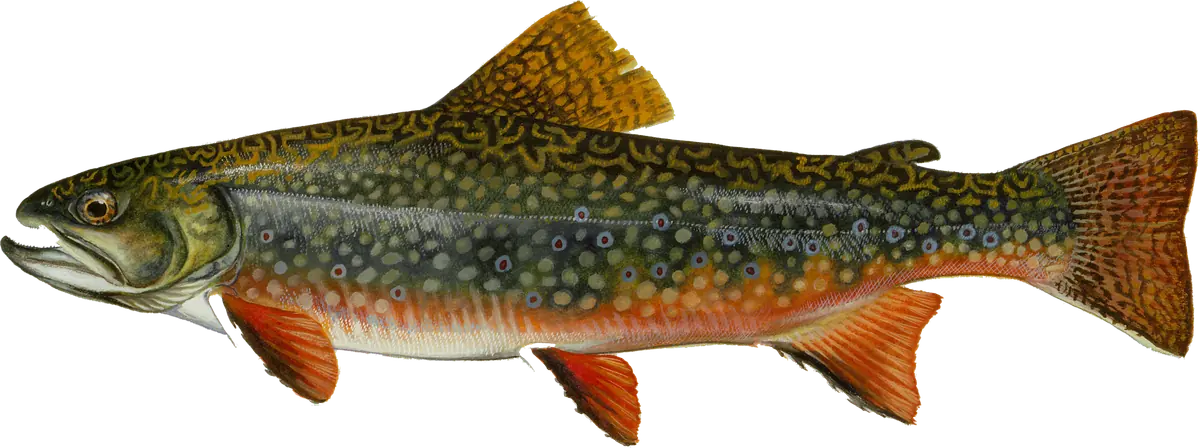
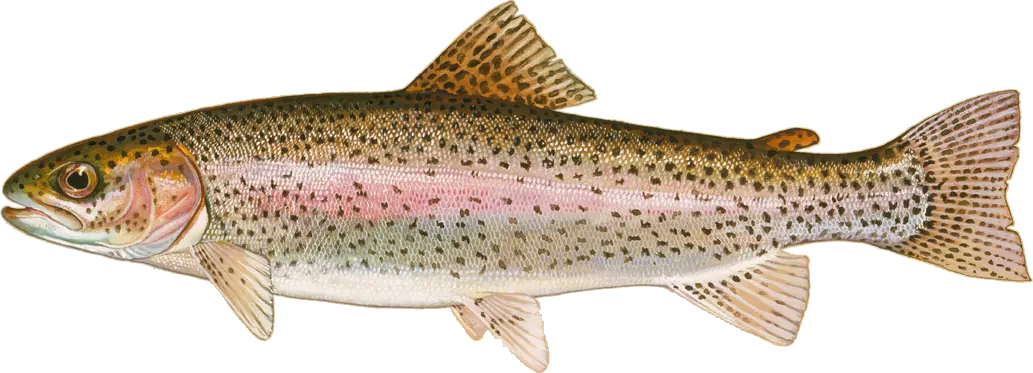
- Whites Pool, below Caleb Smith State Park: brook, rainbow and brown trout to 2 pounds on worms, flies or small spinners.
How to fish it
For fluke, drift ½- to 1-ounce bucktails tipped with a white soft-plastic minnow. For flounder in the river, fish an hour or two after low tide when the sun has warmed the mud flats.
Getting there
The Kings Park launch gives boat and kayak access to the river and bay. Whites Pool, in the fresh upper river, needs a New York freshwater license; the tidal river and bay need only the free marine registry. Saltwater fishing needs no license, but anglers 16 and older must enroll in New York's free Recreational Marine Fishing Registry.
Right now
Current conditions
- Air
- 55°F
- Wind
- 22 mph
- From the S
- Sky
- Mostly Cloudy
Source: National Weather Service
From the water
Latest reports
No reports yet
No fishing reports have been published for Smithtown Bay and the Nissequogue River yet.
Field guide
What you can catch
Close by