Position
39°29.8′N 77°49.6′W
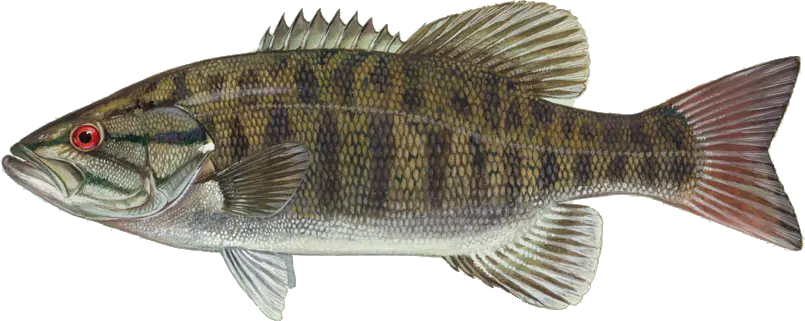
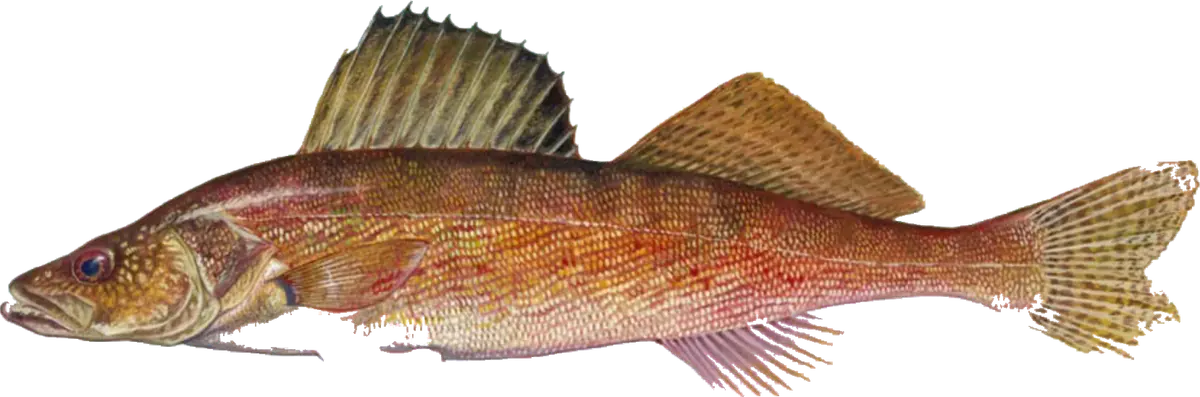
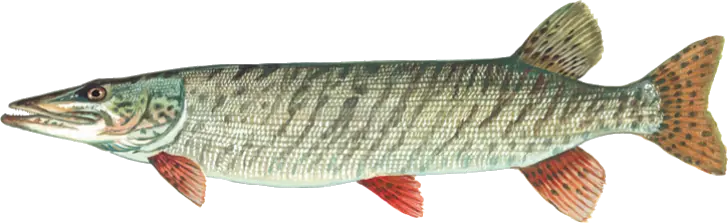
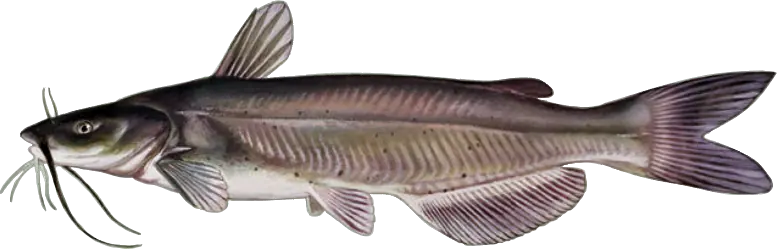
The nontidal Potomac above Great Falls is Maryland's big smallmouth river, and it also holds walleye, channel and flathead catfish, and the state's only naturally reproducing muskellunge population. From Cumberland down through Washington and Frederick counties to Montgomery County, the river alternates wide, shallow riffles, rock ledges and long pools, and the C&O Canal towpath runs along the Maryland bank, so it's easy to reach on foot. DNR stocks smallmouth and walleye fingerlings each year to support the fishery.
When to fish
- Late winter and early spring: walleye and smallmouth feed in deep pools and eddies, and muskie anglers are out; high, cold water calls for experience, and life jackets are mandatory in boats through mid-May. A spring walleye rule caps the size you can keep.
- April and May: smallmouth and walleye spawn, then feed heavily; poppers along emerging grass beds at dawn start to work.
- Summer: low, clear water. Fish at dawn and dusk or on cloudy days, when DNR says smallmouth may feed all day; wading is a good way to reach them. DNR asks anglers not to target muskie once the water hits 80 degrees.
- Fall: as the grass beds break up, crayfish head for deeper cover and smallmouth follow them; walleye get more active as the water cools.
Where to fish
- Current breaks, ledges and mid-river boulders: DNR's go-to targets for smallmouth and walleye, along with deep eddies and pools.
- Grass bed edges: topwater for smallmouth early and late in summer.
- Dam 4 to Harpers Ferry (Washington County): the state's Fly Fishing Trail stretch, with towpath access and ramps or soft launches at Dam 4, Taylors Landing, Snyders Landing, Lock 38, the Antietam Creek Aqueduct, Lime Kiln, Dargan Bend and Lock 34.
- Dam No. 2 (Seneca Breaks) up to the Monocacy mouth: a catch-and-release bass area.
How to fish it
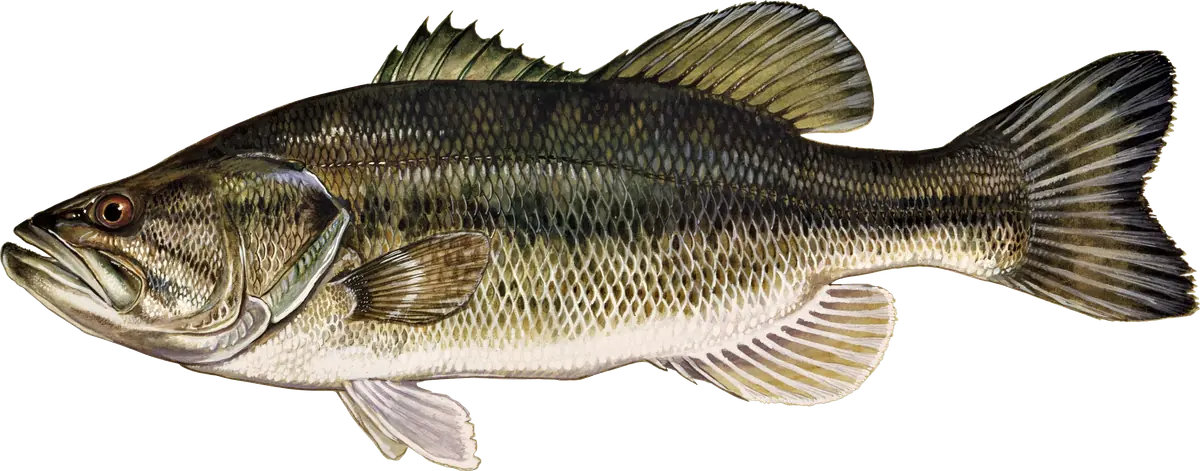
- Smallmouth: DNR's standbys are root beer-colored tubes, swimbaits, paddletails and small crayfish-pattern crankbaits worked close to the bottom, with topwater at dawn and dusk. In fall, DNR reports tubes and jigs for average fish and soft craw jigs and topwater for bigger ones, and one angler doing well on jerkbaits in 5 to 7 feet.
- Low, clear water: make long casts with light line and approach quietly.
- Fly fishing: a Fish & Hunt Maryland guide casts rubber-legged poppers to the slack water behind rock ledges and into eddies below riffles, twitching them on a tight line.
- Walleye: jigs, flukes, grubs and swimbaits near bottom in pools and current breaks; some anglers use live minnows in winter.
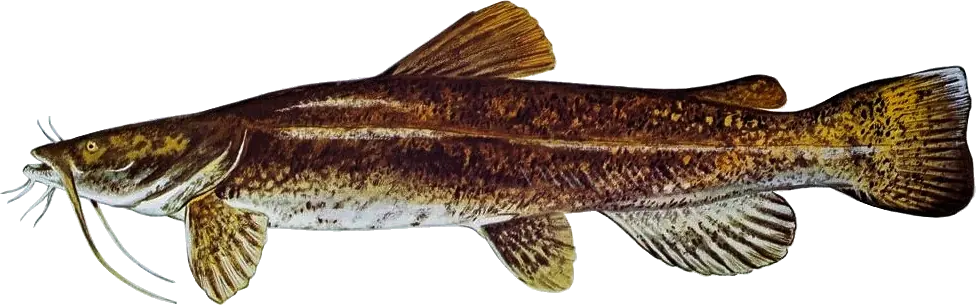
- Flathead catfish: DNR notes they prefer live bait.
Getting there
Park at the NPS and DNR access points along the C&O Canal and walk the towpath, or launch at one of the ramps; some, like Snyders Landing and Williamsport, are reached over narrow bridges and suit small boats, and Williamsport's ramp sits just above a low-head dam, so don't head downstream there. The Dam 4 soft launch is carry-in only; stay well clear of the dams. The river rises fast after heavy rain, and from November 15 to May 15 you must wear a life jacket in a boat. Report tagged muskies to DNR. You need a Maryland nontidal fishing license.
Right now
Current conditions
- Air
- 48°F
- Wind
- 2 mph
- From the SE
- River flow
- 1,310 cfs
- Potomac River at Shepherdstown, WV · as of 8:30 PM
- Sky
- Clear
Source: National Weather Service, USGS
From the water
Latest reports
No reports yet
No fishing reports have been published for Upper Potomac River (Cumberland to Great Falls) yet.
Field guide
What you can catch
Close by