Position
38°42.7′N 77°2.2′W
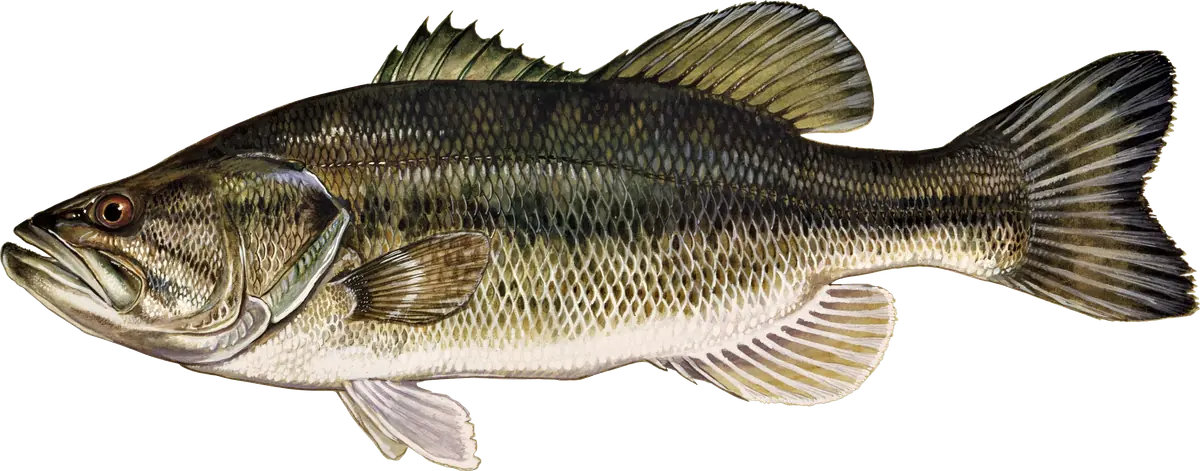
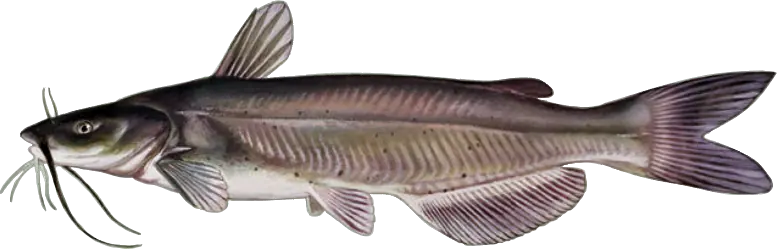
Just downstream of Washington, D.C., the tidal Potomac from the Woodrow Wilson Bridge past National Harbor and Fort Washington is a big, grassy freshwater river with a remarkable mix of fish. DNR says the stretch below the bridge may hold the state's highest concentration of blue catfish, including trophy fish in the deep channel off Fort Washington. The tidal Potomac is also one of the East Coast's premier largemouth bass rivers, a top tidal crappie spot around the bridge and the marina docks, and a snakehead fishery in the grass-lined creeks.
When to fish
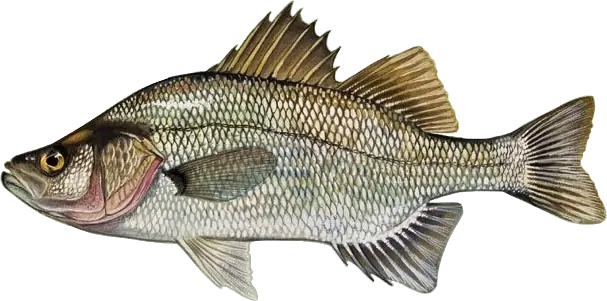
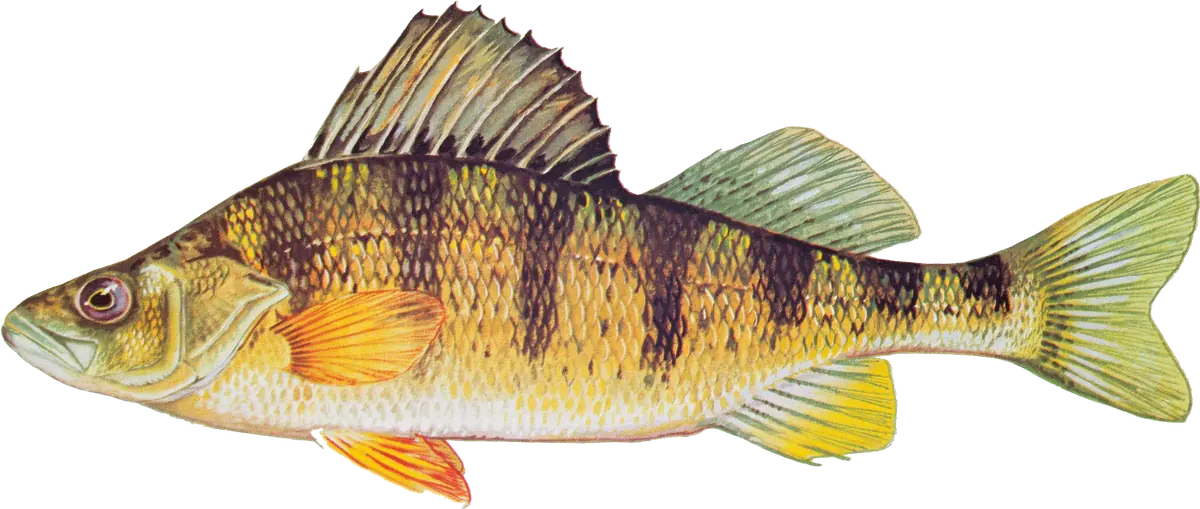
- Late winter and early spring: blue catfish wake up in the channels as the water warms; crappie gather near structure; yellow and white perch run up the Maryland tributaries. Stripers are catch and release only on the main stem in spring.
- April through June: peak crappie season at the spoils and the docks; largemouth move from spawning areas onto grass, creek mouths and wood.
- Summer: bass and snakeheads in and around the hydrilla beds, best early and late; blue catfish along the channel edges.
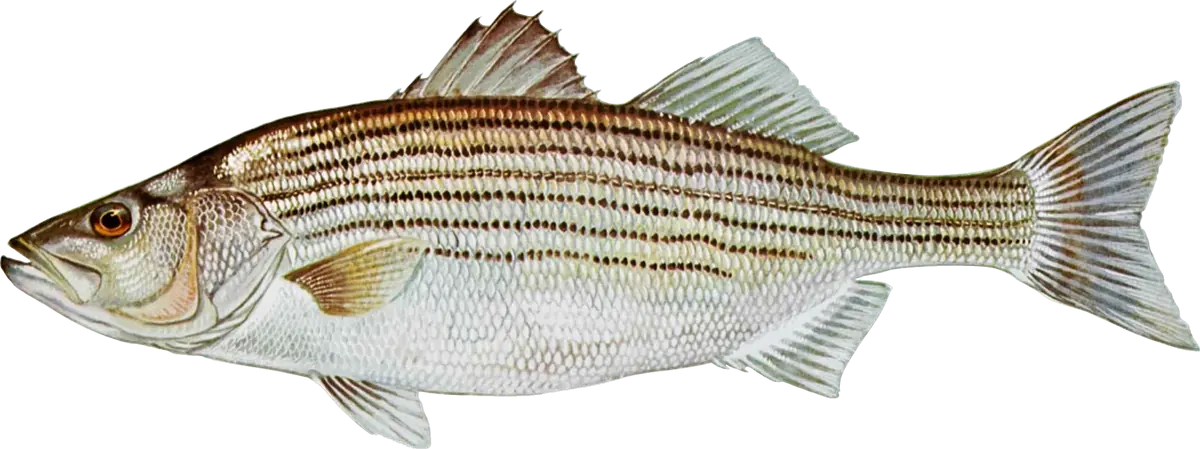
- September and October: stripers on live spot and jigs from Fort Washington downriver; blue catfish move onto shallower channel edges and shelves.
- Late fall and winter: bass hold on drop-offs; crappie on docks and bridge piers; the biggest blue catfish settle into the deepest channels off Fort Washington.
Where to fish
- "The spoils," the concrete rubble on the northeast side of the Wilson Bridge: crappie and bass.
- The bridge piers and the sunken barges in Smoot Bay: largemouth.
- Marina docks below the bridge, at National Harbor and at Fort Washington: crappie.
- The deep channel off Fort Washington: trophy blue catfish.
- Hydrilla beds, feeder-creek mouths, fallen trees and sunken wood: bass and snakeheads.
How to fish it
- Blue catfish: cut bait on the bottom in the channels, moving to shallower edges and shelves in spring and fall.
- Crappie: small minnows or marabou jigs under a slip bobber around docks, rubble and piers.
- Largemouth: wacky-rigged stick worms dropped through the grass; spinnerbaits, paddletails, tubes, craw jigs, small crankbaits and jerkbaits around hard structure and drop-offs.
- Snakeheads: frogs, buzzbaits and bladed jigs over the grass.
- Stripers: large soft plastic jigs in spring (catch and release); live spot or jigs in fall; non-offset circle hooks with bait.
Getting there
The National Park Service's Fort Washington Park has shore fishing near the lighthouse (park entrance fee), and Piscataway Park has a public pier at National Colonial Farm and a small free dirt ramp for small boats. Charles County's Marshall Hall ramp, farther downriver, is free and open dawn to dusk. A Maryland Chesapeake Bay and Coastal Sport Fishing License covers the main stem below the Wilson Bridge, but the main stem follows the Potomac River Fisheries Commission's rules, including its own striped bass seasons and a ban on releasing snakeheads alive; the Maryland creeks follow Maryland's rules.
Right now
Current conditions
- Air
- 56°F
- Wind
- 2 mph
- From the SE
- Water
- 69°F
- Sky
- Clear
Tides today · Marshall Hall, Md., MD
Coastal forecast · ANZ535
Tidal Potomac from Key Bridge to Indian Head
- Tonight
- S winds around 5 kt. Waves 1 ft or less.
- Wednesday
- S winds 5 to 10 kt. Waves 1 ft.
- Wednesday Night
- S winds 5 kt. Waves less than 1 ft.
Issued 757 PM EDT Tue Oct 6 2026
Source: National Weather Service, NOAA Tides & Currents
From the water
Latest reports
No reports yet
No fishing reports have been published for Tidal Potomac River (Wilson Bridge to Fort Washington) yet.
Field guide
What you can catch
Close by