Position
39°30.1′N 79°7.3′W
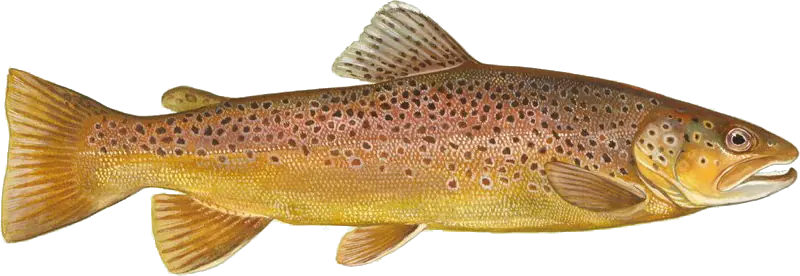
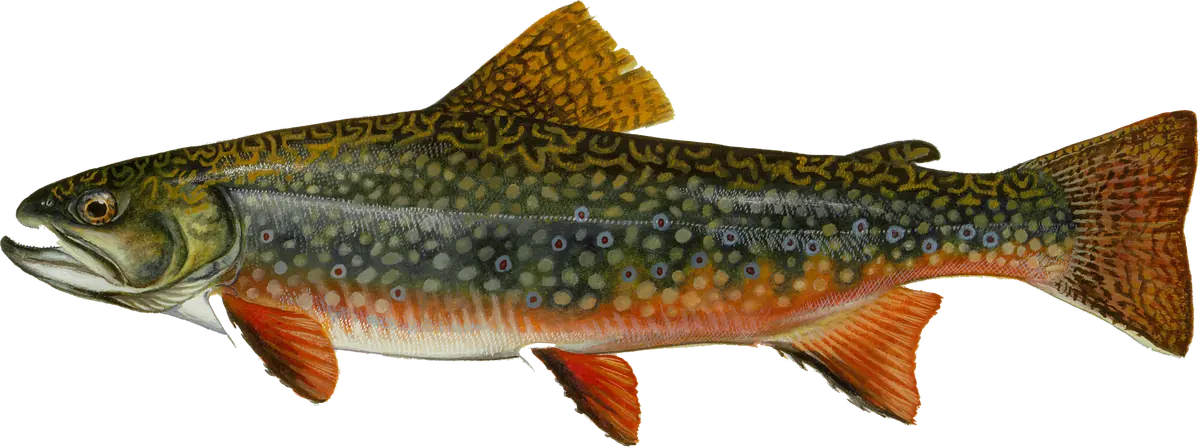
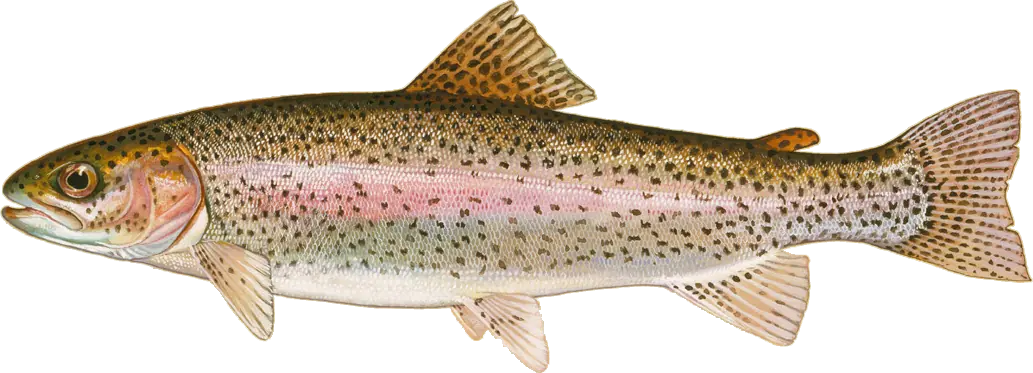
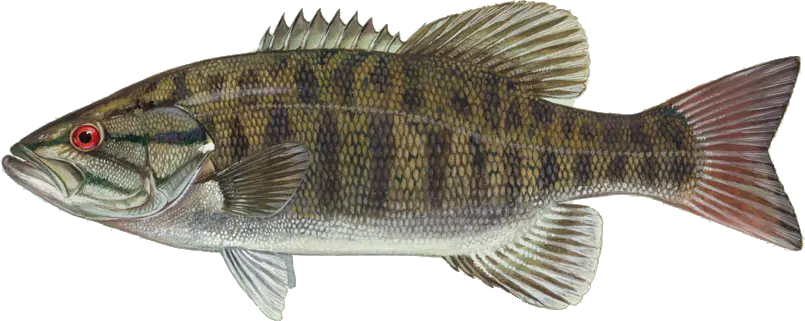
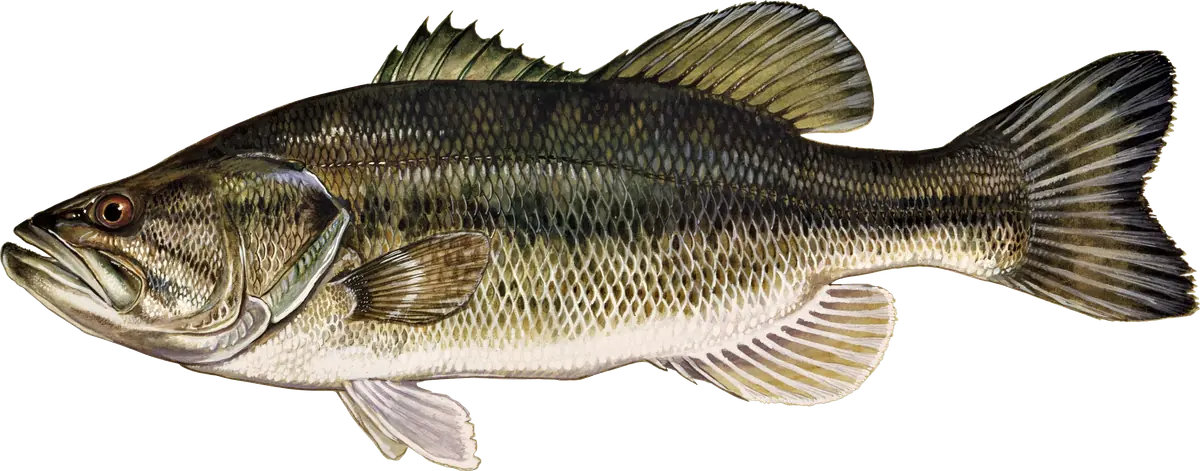
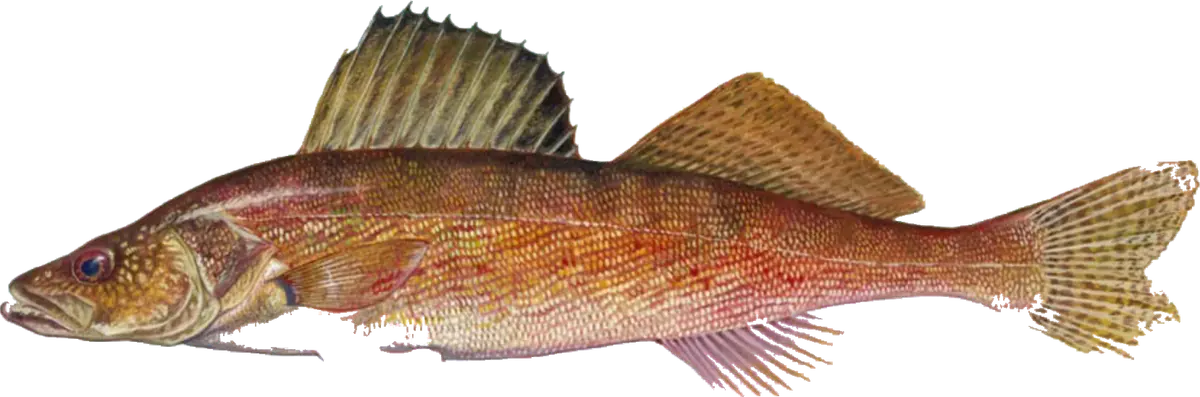
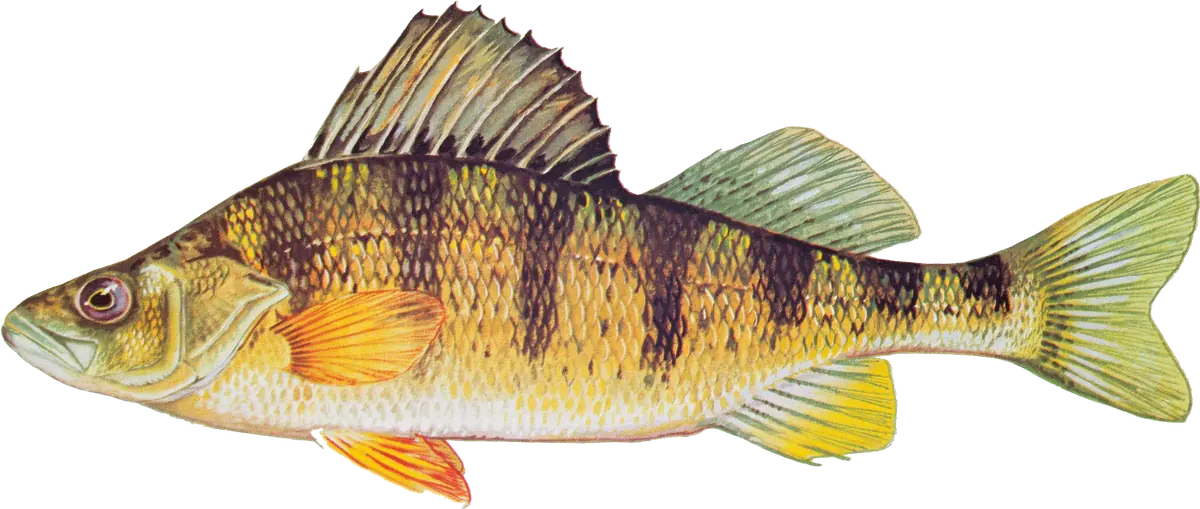
The Savage River in Garrett County is two trout fisheries split by the Savage River Reservoir. Below the dam, the lower Savage is a cold, four-mile tailwater that DNR manages for wild brown trout and native brook trout, with no stocking at all; a fly fisherman writing for the state calls it the finest tailwater in Maryland and its "hatch factory." Above the reservoir, the upper Savage and its tributaries wind through Savage River State Forest and Big Run State Park and hold stream-bred brook trout. The reservoir itself has bass, walleye and yellow perch and is stocked with rainbow trout in spring.
When to fish
- Spring through fall on the lower river: water leaves the dam cold all year, and the mayfly and caddis hatches run from early spring to late fall: blue quills, sulphurs and pale evening duns, March browns, blue-winged olives, Hendricksons, red quills and caddis.
- Winter: midges and little black stoneflies still hatch, and the lower river stays open to fishing all year.
- Late May and early June on the upper river: the green drake hatch, on warm afternoons, is the big event for brook trout.
- Any time, by flow: DNR considers 50 to 100 cubic feet per second good fishing flows on the lower river; whitewater releases make it unfishable.
Where to fish
- Lower Savage, dam to the Allegany suspension bridge: about a mile and a quarter of fly-fishing-only trophy water.
- Lower Savage, below the Allegany bridge: artificial lures or flies with a single hook, down toward the North Branch of the Potomac. Deep pools, pocket water and riffles run through both sections.
- Upper Savage and its tributaries: the river along Savage River Road above the reservoir, plus Big Run, Monroe Run, Poplar Lick, the Middle Fork and the Little Savage, all native brook trout water.
- Savage River Reservoir: a DNR ramp and soft launch give access for bass, walleye, perch and stocked trout.
How to fish it
On the lower river, a 4 or 5 weight fly rod with fine tippets and small flies is the norm. The browns, mostly 10 to 12 inches with 16- to 18-inch fish common in the trophy section, are wary and hold in the hardest places to reach, and the river rarely fishes the same way two days running, so match whatever is hatching. On the upper river, a short 3 or 4 weight helps under the hemlocks. Bushy attractor dry flies, a parachute Adams, caddis and terrestrials in summer, and green drake patterns in June all work, with woolly buggers in the deeper holes.
Getting there
Public parking on the lower river is along Savage River Road at spots marked with DNR signs; respect private land marked with signs or blue paint. The river runs through a steep, boulder-filled valley, so DNR strongly recommends studded boots and a wading staff. Check the USGS gauge or the Army Corps release schedule before you go. The upper river has parking along Savage River Road above the reservoir, at Big Run State Park and at Poplar Lick; Big Run's campground makes a good base, and the new Savage Highlands State Park nearby has cabins and yurts. Brook trout must be released above the reservoir, and the special areas have their own tackle, size and creel rules, so read the trout section of the Maryland fishing guide. You need a nontidal fishing license and a trout stamp.
Right now
Current conditions
- Air
- 45°F
- Wind
- 1 mph
- From the S
- Water
- 54°F
- River flow
- 7 cfs
- Savage River Near Barton, MD · as of 8:15 PM
- Sky
- Clear
Source: National Weather Service, USGS
From the water
Latest reports
No reports yet
No fishing reports have been published for Savage River yet.
Field guide
What you can catch
Close by